Copper and its alloys conduct heat away from the weld very quickly, and brass gives off zinc fumes when it is overheated. A filler matched to the base metal - silicon bronze, aluminium bronze or a low-fuming brass - gives sound, porosity-free joints. The sections below explain the range.
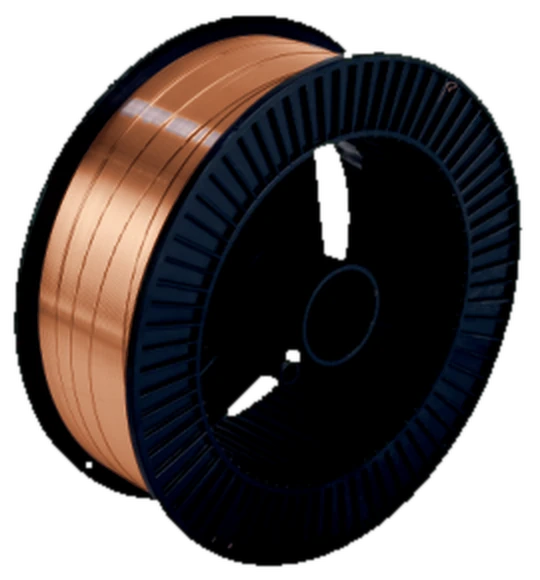
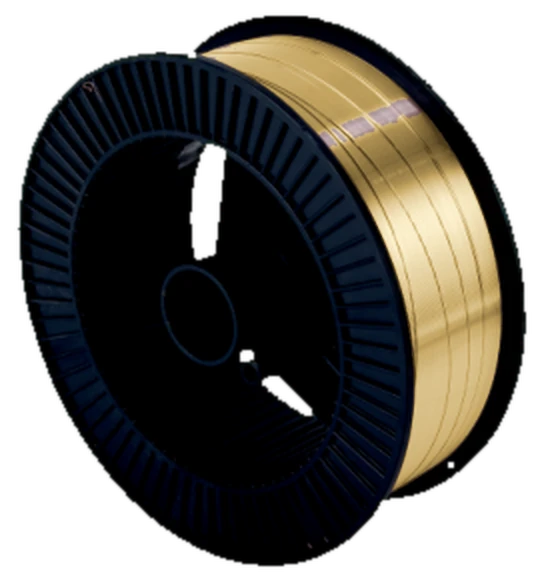
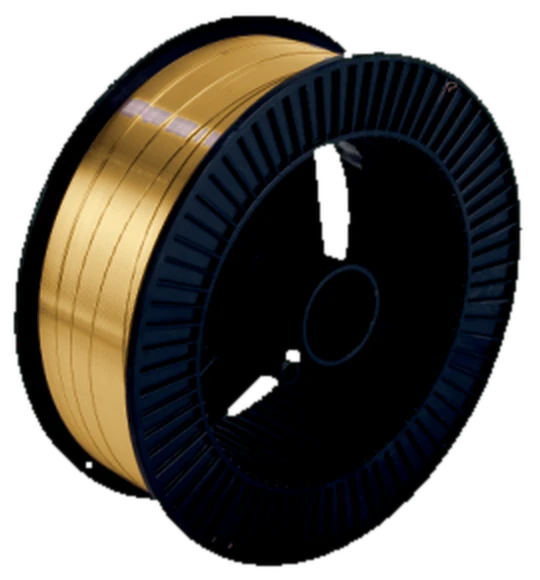
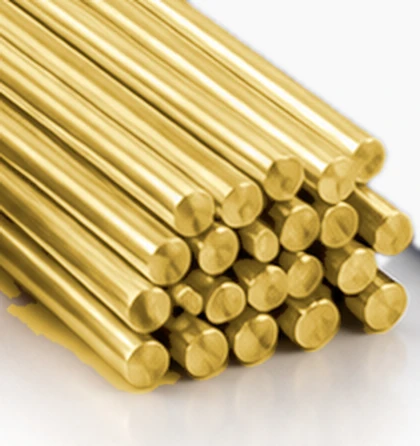
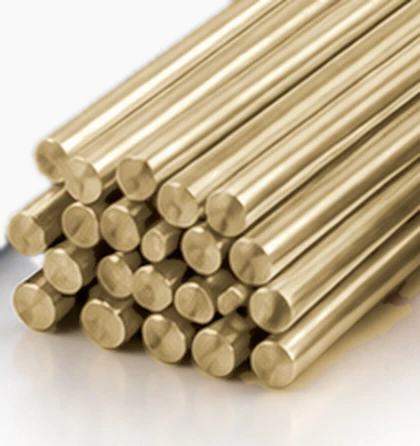
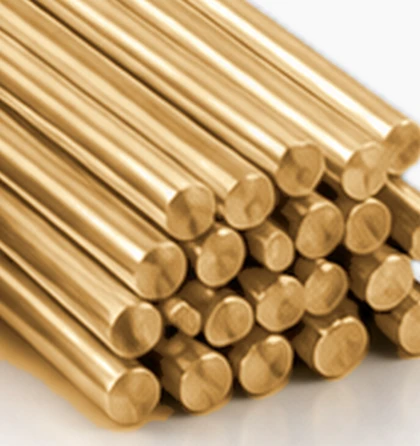
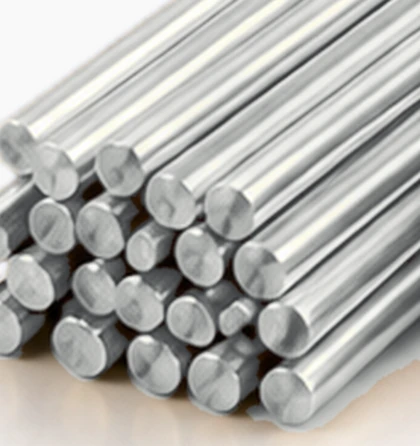
Copper Alloy Welding Wire for Copper, Bronze, Brass and Copper-to-Steel Joints
Stanvac International supplies copper alloy welding wires and brazing rods for joining copper, brass and bronze, and for joining these metals to steel. The range covers silicon bronze and aluminium bronze wires for TIG and MIG welding, and brass and nickel-silver rods for flame, induction and furnace brazing.
Types of Copper Alloy Welding Wire
Silicon bronze - ER CuSi-A
About 3% silicon with a small addition of manganese gives good mechanical properties, corrosion resistance and wear resistance. Used for TIG welding of silicon bronze, copper and brass, and for joining copper to steel and to galvanised steel sheet.
Aluminium bronze - ER CuAl-A1 and ER CuAl-A2
ER CuAl-A1 is an iron-free aluminium bronze with good fluidity and a neat bead, used for welding carbon and stainless steel, steel-to-copper butt joints and surfacing of bearing surfaces. ER CuAl-A2 adds iron for higher strength, corrosion resistance and wear resistance, and welds aluminium bronze, copper alloys and dissimilar joints such as bronze to steel.
Brass and nickel-silver brazing rods - ER RBCuZn-A, B, C and D
ER RBCuZn-A is a silicon-free tin brass for brazing steel, copper, nickel and stainless steel. ER RBCuZn-B and ER RBCuZn-C are low-fuming brasses with small additions of iron, silicon and manganese that control zinc evaporation and porosity. ER RBCuZn-D is a nickel silver with about 10% nickel, giving higher strength and better corrosion resistance in sea water and caustic media.
How to Choose the Right Copper Alloy Wire
- Process: ER CuSi-A and ER CuAl grades (AWS A5.7) are for arc welding - TIG and MIG. The RBCuZn grades (AWS A5.8) are brazing rods for oxy-fuel, induction and furnace brazing.
- Base metal: Use silicon bronze for copper, brass and galvanised sheet; aluminium bronze for aluminium bronze, steel and steel-to-copper joints; brass and nickel-silver rods for brazing steel, cast iron and carbide tips.
- Service conditions: Choose ER CuAl-A2 where wear and corrosion resistance matter, and ER RBCuZn-D for sea water or caustic media.
- Form: Spooled wire for MIG and automated work, straight rods for TIG and brazing, and coils for bulk feeding.
Why Choose Stanvac International?
- Complete range: Seven copper alloy grades covering welding and brazing of copper, bronze, brass and dissimilar joints.
- Standards: Every grade is classified to AWS A5.7 or A5.8, with its EN and GB equivalents stated on the product page.
- Technical support: Our team helps you select the grade, diameter and form for your job.
Tez-tez verilən suallar
What is copper alloy welding wire used for?
It is used to weld and braze copper, brass and bronze, and to join these metals to steel, cast iron and nickel alloys. Typical uses are shipbuilding, machinery, galvanised automotive sheet, valves, switchgear and surfacing of bearing surfaces.
What is the difference between the ER CuSi/CuAl grades and the RBCuZn grades?
ER CuSi-A and the ER CuAl grades are classified to AWS A5.7 and are used for arc welding (TIG and MIG). ER RBCuZn-A to D are classified to AWS A5.8 as RBCuZn brazing rods for flame, induction and furnace brazing.
Which wire should I use to join copper to steel?
ER CuSi-A is used for copper to steel and copper to galvanised steel sheet. ER CuAl-A1 suits butt welding of steel to copper, and ER CuAl-A2 joins aluminium bronze and copper to steel.
What is the difference between silicon bronze and aluminium bronze wire?
Silicon bronze (ER CuSi-A, about 3% Si) melts at about 910°C and suits copper, brass and galvanised sheet. Aluminium bronze (ER CuAl-A1 and A2, 6-11% Al) melts at about 1040°C and gives a stronger, more wear-resistant deposit for steel and bronze.
Why do ER RBCuZn-B, C and D contain silicon?
Silicon controls the evaporation of zinc during brazing. Less zinc fume means fewer pores and a sounder joint.
Gəlin qaynaq həllinizi tapaq.
Tələblərinizi bizimlə bölüşün. Növbəti addımı atmağınıza kömək edəcəyik.