








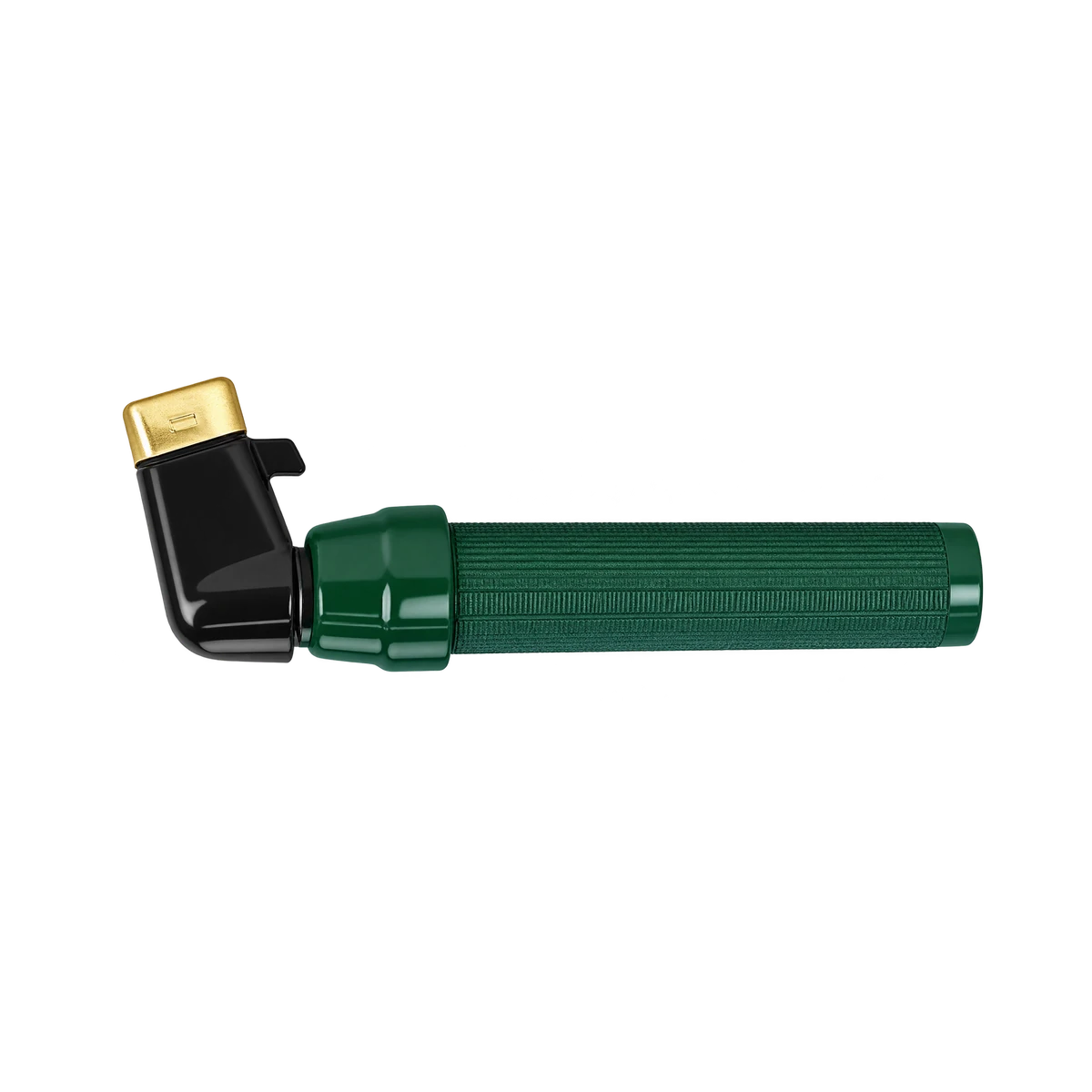
STAVI TWIST электрод эзэмшигч
The STAVI TWIST ELECTRODE HOLDERS use a twist-type head that lets the electrode be locked at the angle the joint needs, rather than the angle the holder allows. The range is offered in 200A, 400A and 600A ratings.
Бүтээгдэхүүний дэлгэрэнгүй мэдээлэл
Key Features and Benefits of STAVI Twist Electrode Holder
- Twist-Lock Head: The electrode can be set and locked at the angle the joint requires.
- Better Access: Angled electrode positioning helps in corners, fillets and confined spaces.
- Гурван үнэлгээ: 200A, 400A and 600A, taking electrodes from 4.0mm to 8.0mm.
- Insulated Barrel: Full-length insulation keeps the grip safe and cool.
- Аюулгүй байдлын шаардлага хангасан: EN IEC 60974-11 стандартын дагуу үйлдвэрлэсэн бөгөөд CE стандартыг хангасан.
Specifications of STAVI Twist Electrode Holder
The table below lists the models available in the STAVI Twist Electrode Holder range.
| Амперын багтаамж | 200 | 400 | 600 |
|---|---|---|---|
| Кабелийн багтаамж | #3 (35mm²) | 1/0 (50mm²) | 3/0 (95мм²) |
| Электродууд хүртэл | 4.0mm | 5.0mm | 8.0 мм |
Applications of STAVI Twist Electrode Holder
- Үйлдвэрлэлийн цехүүдэд гар аргаар металл нуман гагнуур (SMAW) хийх
- Бүтцийн ган болон хүнд инженерийн үйлдвэрлэл
- Усан онгоцны үйлдвэр, боловсруулах үйлдвэр болон цахилгаан станцын засвар үйлчилгээний гагнуур
- Газар дээрх засвар, үйлчилгээ, угсралтын ажил
Байнга асуудаг асуултууд
How does a twist-type electrode holder work?
A twist-type — also called a screw-type — holder clamps the electrode by rotating the handle rather than by squeezing a spring-loaded lever. Turning the handle one way tightens the head onto the rod; turning it back releases it. The rod seats into a fixed position in the head rather than into one of several open grooves, which is the main practical difference from a crocodile or tong-type holder.
Should I choose a twist-type or a spring-clamp holder?
They suit different habits. Twist-type holders hold the rod without any spring to weaken, are compact at the head, and are preferred by welders who work in confined joints. Spring-clamp holders let the welder change rods faster and offer more angle options in the jaw. Welders tend to have a firm preference and work noticeably better on the pattern they are used to, so this is worth asking them rather than deciding centrally.
What happens if the electrode sticks to the work with a twist-type holder?
This is the twist type's practical advantage. When a rod sticks, a quarter-turn of the handle releases the holder from the rod immediately, letting the welder break away without wrestling the holder or leaving the machine shorted. With a spring-clamp holder the welder squeezes the lever to release, which is equally quick once practised but harder in an awkward position.
Is a twist-type holder suitable for low-hydrogen 7018 electrodes?
Use it without bending the rod. Twist-type holders hold the electrode in a fixed orientation, and welders sometimes bend the rod by hand to reach an angle — which on a low-hydrogen electrode cracks and sheds the flux coating, defeating the low-hydrogen properties the rod was specified for. If your work needs varied rod angles on 7018, a grooved-jaw holder is the better match.
Does the twist mechanism wear out or loosen over time?
The mechanism wears at the thread and at the contact face inside the head. The symptoms are a rod that will not tighten fully, or a handle that has to be turned further than it used to. Because there is no spring in the load path, twist-type holders often hold their grip longer than spring-clamp holders in heavy use — but once the head contact face is burned, grip and current transfer both suffer.
Is changing rods slower with a twist-type holder?
Marginally, and it narrows with practice. A spring-clamp release is a single squeeze; a twist release is a part-turn of the handle. Across a shift the difference is small for most work, and it is often offset by faster recovery when a rod sticks. For very high-throughput tacking, where rods are changed constantly, spring-clamp holders still have the edge.
Which industries commonly specify twist-type holders?
Pipe fabrication, shipbuilding, boiler and pressure-vessel work, and plant maintenance — all applications where access is tight, the rod has to reach into a joint, and the head has to clear surrounding steel. General structural and plate fabrication, where access is open and rods change frequently, more often runs spring-clamp holders.
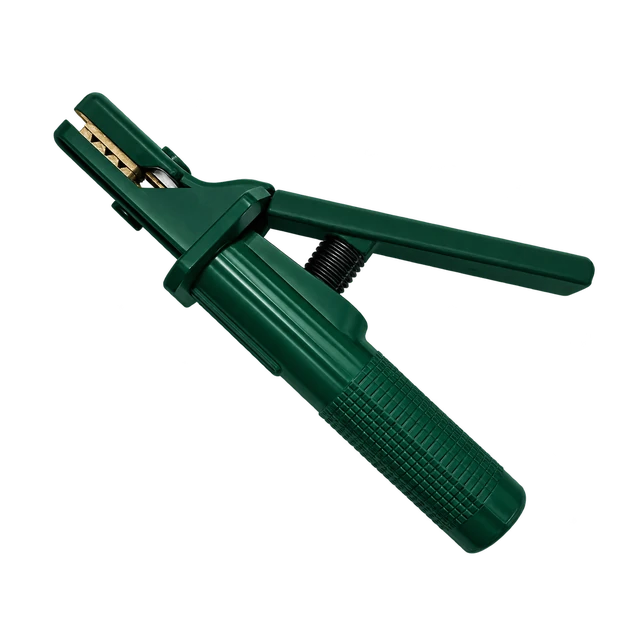
STAVI LITE электрод эзэмшигч
Дэлгэрэнгүй мэдээллийг харах →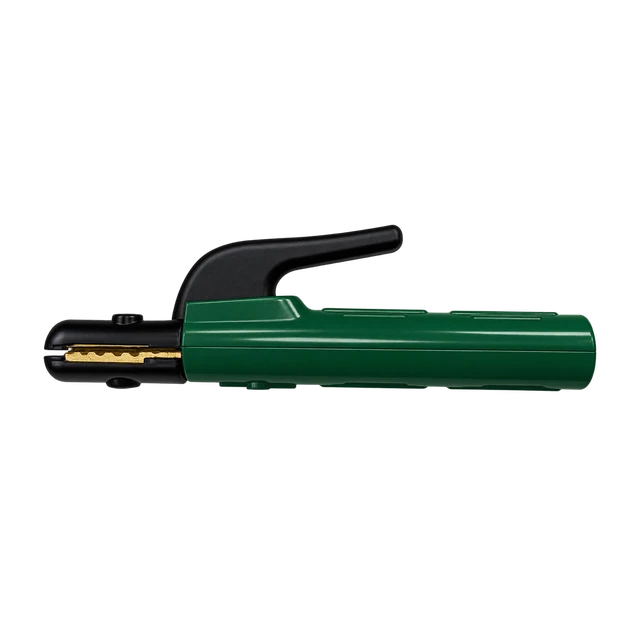
STAVI НОГООН ЭЛЕКТРОД ЭЗЭМШИГЧИД
Дэлгэрэнгүй мэдээллийг харах →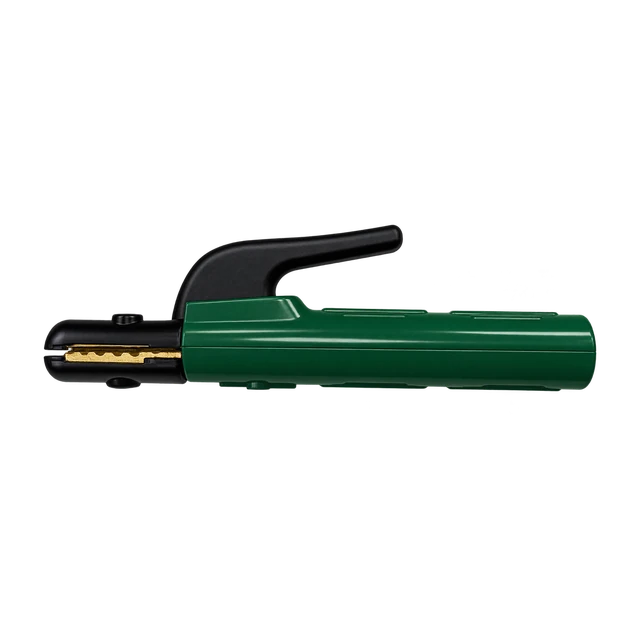
STAVI ГАНГАН ЭЛЕКТРОДЫН ЭЗЭМШИГЧ
Дэлгэрэнгүй мэдээллийг харах →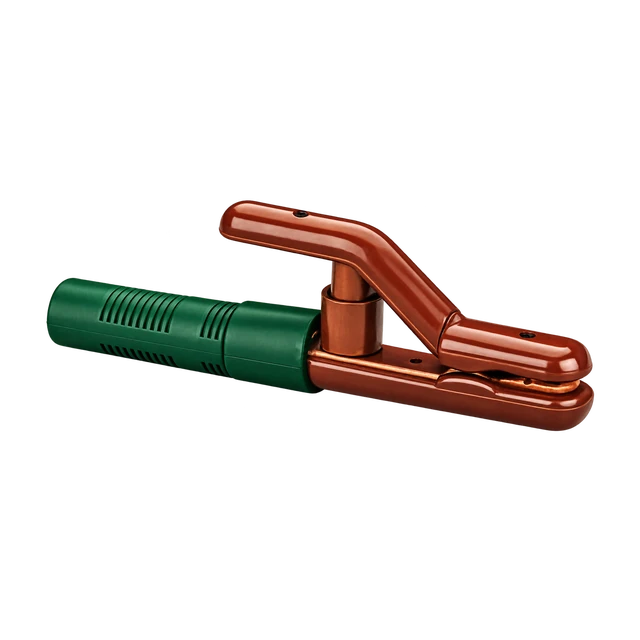
STAVI J электрод эзэмшигч
Дэлгэрэнгүй мэдээллийг харах →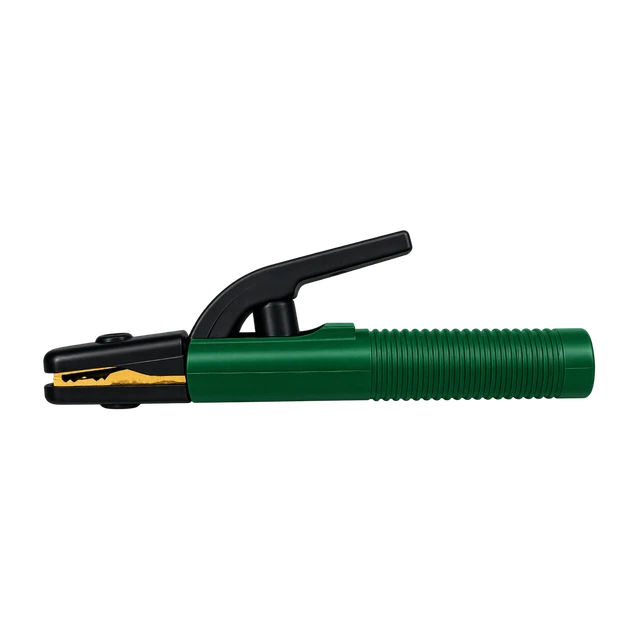
STAVI L электрод эзэмшигч
Дэлгэрэнгүй мэдээллийг харах →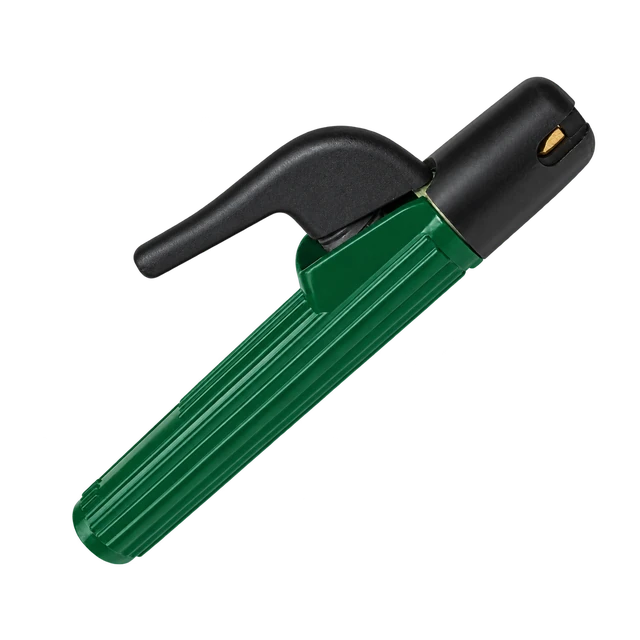
STAVI OPT электрод эзэмшигч
Дэлгэрэнгүй мэдээллийг харах →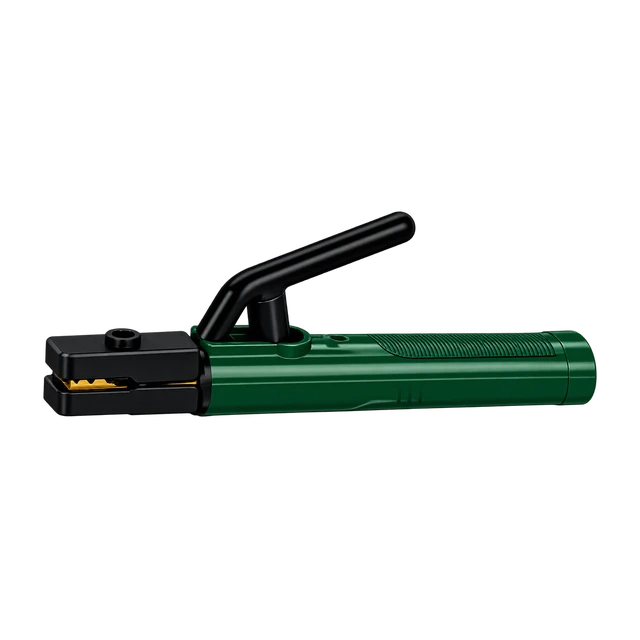
STAVI ГЕРМАН ЭЛЕКТРОД ЭЗЭМШИГЧИД
Дэлгэрэнгүй мэдээллийг харах →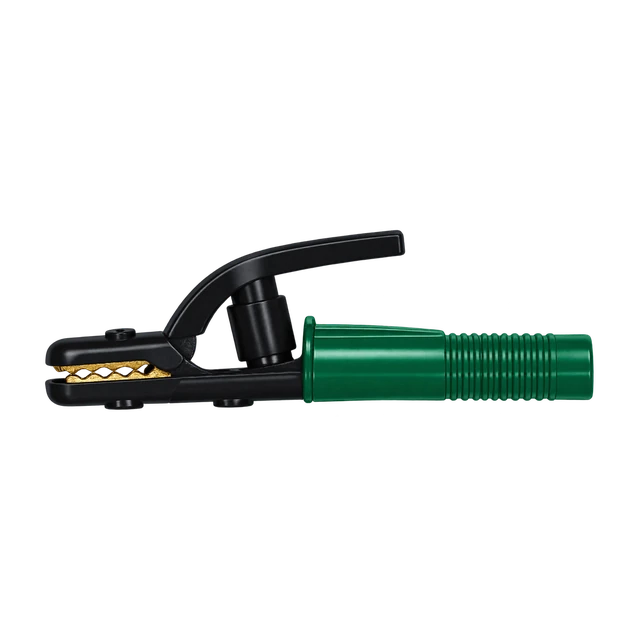
STAVI T электрод эзэмшигч
Дэлгэрэнгүй мэдээллийг харах →Гагнуурын шийдлээ олцгооё.
Шаардлагаа хуваалцаарай. Бид танд дараагийн алхамыг хийхэд туслах болно.