


STAVI ALMAN ELEKTROT TUTUCULARI
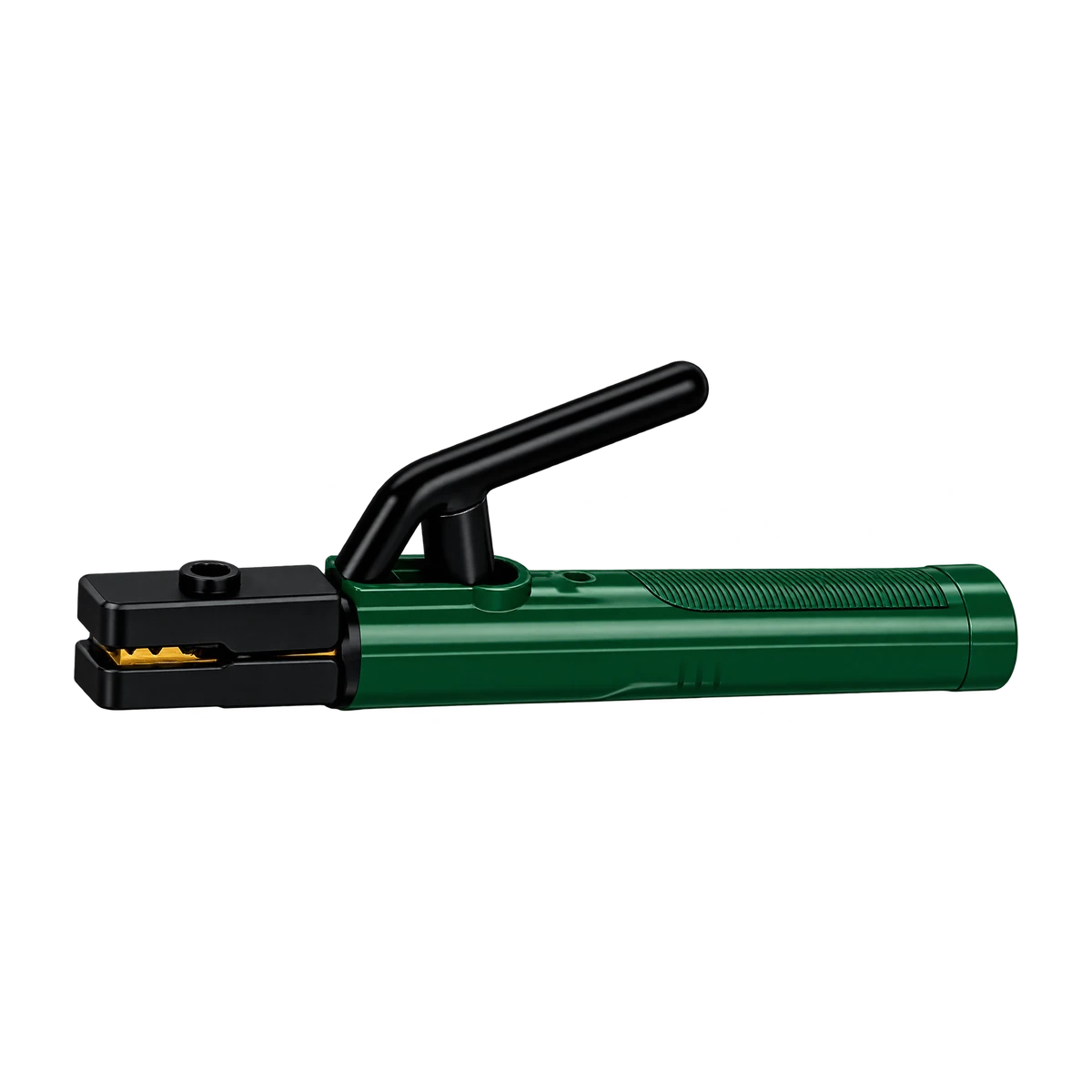
The STAVI GERMAN ELECTRODE HOLDERS follow the German-pattern design favoured in European fabrication shops, with a slim insulated barrel and a low-profile jaw. Five ratings from 200A to 600A take electrodes from 4.0mm up to 10.0mm.
Ürün detayları
Key Features and Benefits of STAVI German Electrode Holder
- German-Pattern Design: Slim barrel and low-profile jaw for easier access into tight joints.
- Electrodes to 10.0mm: The 600A model accepts electrodes up to 10.0mm.
- Beş Puan: 200A, 300A, 400A, 500A and 600A.
- Full Insulation: Insulated body protects the operator against accidental contact.
- Güvenlik Standartlarına Uygun: EN IEC 60974-11 standardına uygun olarak üretilmiştir ve CE standartlarını karşılamaktadır.
Specifications of STAVI German Electrode Holder
The table below lists the models available in the STAVI German Electrode Holder range.
| Amper Kapasitesi | 200 | 300 | 400 | 500 | 600 |
|---|---|---|---|---|---|
| Kablo Kapasitesi | #3 (35mm²) | 1/0 (50mm²) | 2/0 (70mm²) | 3/0 (95mm²) | 3/0 (95mm²) |
| Elektrotlar | 4,0 mm | 5,0 mm | 6,0 mm | 8,0 mm | 10.0mm |
Applications of STAVI German Electrode Holder
- İmalat atölyelerinde manuel metal ark kaynağı (SMAW)
- Yapısal çelik ve ağır mühendislik imalatı
- Tersane, rafineri ve enerji santrali bakım kaynak işleri
- Yerinde onarım, bakım ve montaj işleri
Sıkça Sorulan Sorular
What is a German-type electrode holder?
German type describes a head and jaw pattern of European origin that is manufactured and sold widely in India as a recognised holder style, alongside the A-type, B-type and Samson patterns. The designation refers to the design lineage and the resulting head geometry, not to the country of manufacture — German-type holders sold in India are generally made in India.
How does a German-type holder differ from the A-type and B-type holders common in India?
The differences are in head geometry, jaw form and how the rod is seated and released. A-type and B-type are the patterns most Indian welders have grown up with and are the default in general fabrication. The German pattern is chosen where a buyer prefers that head form, often because the welders are already used to it or because a European equipment specification calls for it. Functionally all three do the same job; the choice usually follows welder familiarity.
Why do some fabricators specifically prefer German-type holders?
Preference in this category is driven by feel far more than by specification — how quickly the rod seats, how the head clears the work in tight joints, and how the holder balances in the hand. A welder who has used one pattern for years will be measurably slower and less comfortable on another, which is why plants tend to standardise on a pattern and reorder it rather than buying on price each time.
Is the German type suitable for heavy structural fabrication?
That depends on the current rating and duty class rather than the head pattern. Head pattern determines how the rod is held and released; it is the rating, the jaw material and the construction that determine whether a holder will survive continuous high-current structural work.
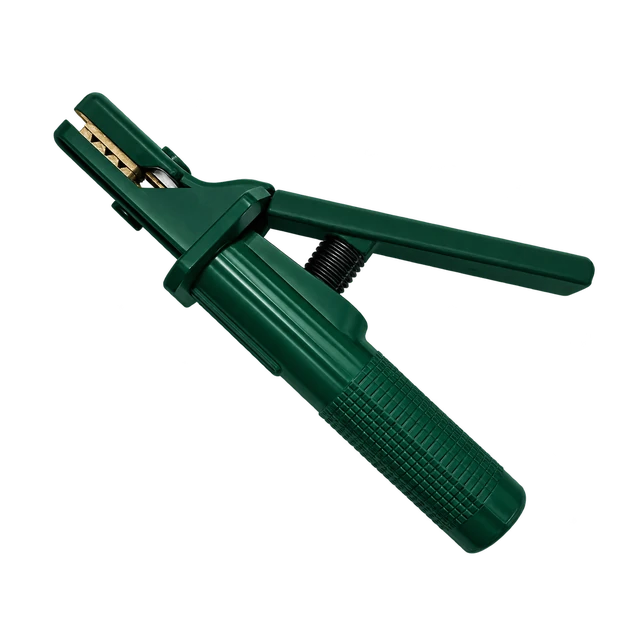
STAVI LITE ELEKTROT TUTUCULAR
Detayları görüntüle →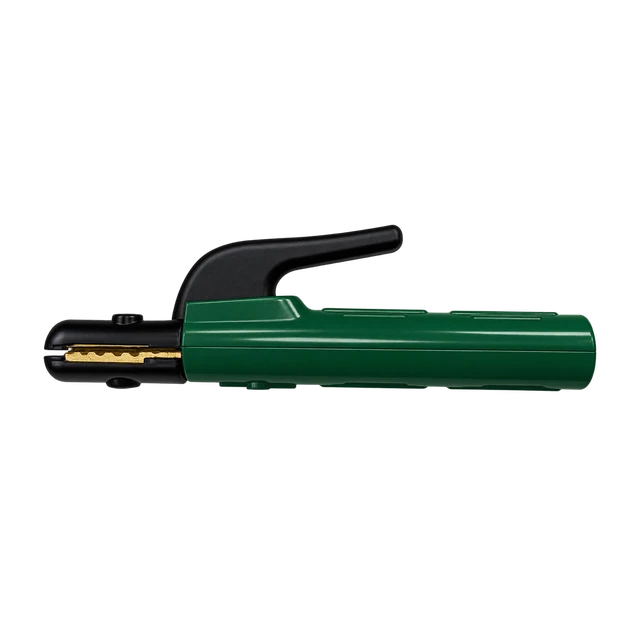
STAVI YEŞİL ELEKTROT TUTUCULAR
Detayları görüntüle →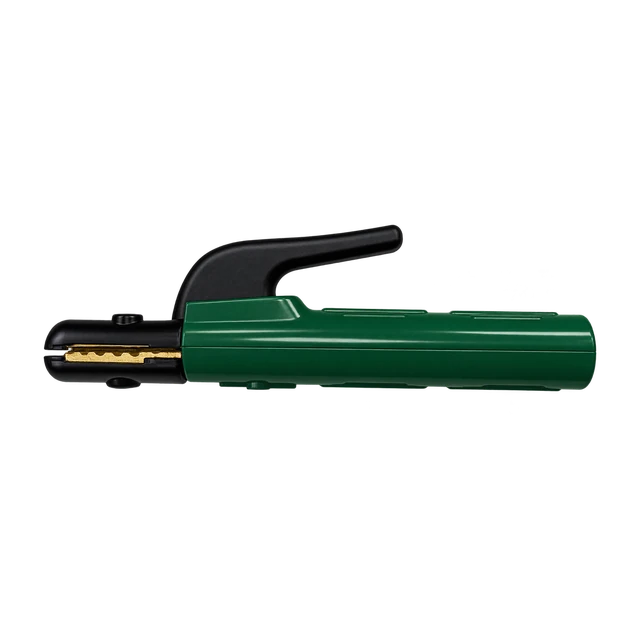
STAVI ÇELİK ELEKTROT TUTUCULAR
Detayları görüntüle →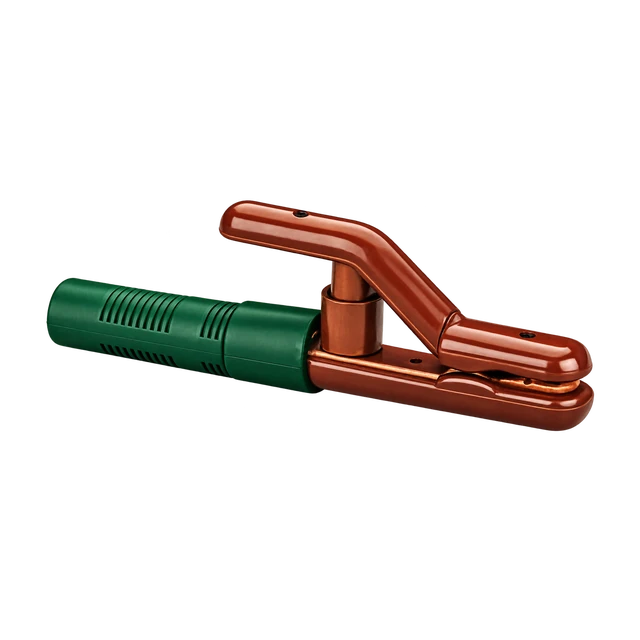
STAVI J ELEKTROT TUTUCULAR
Detayları görüntüle →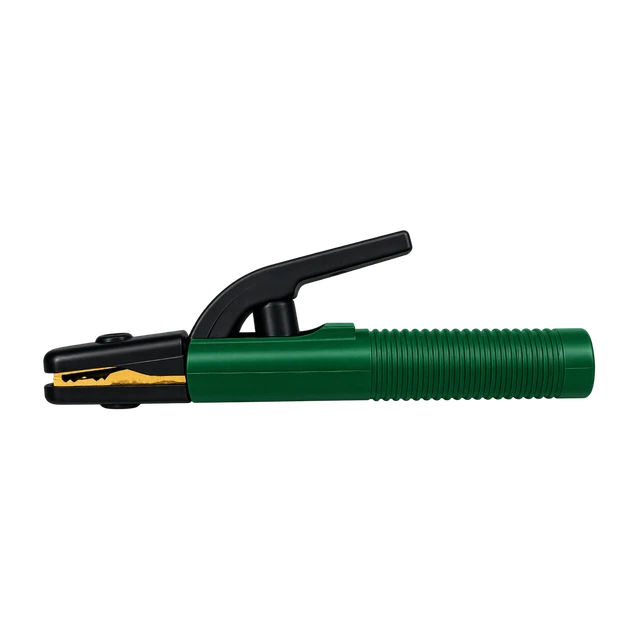
STAVI L ELEKTROT TUTUCULAR
Detayları görüntüle →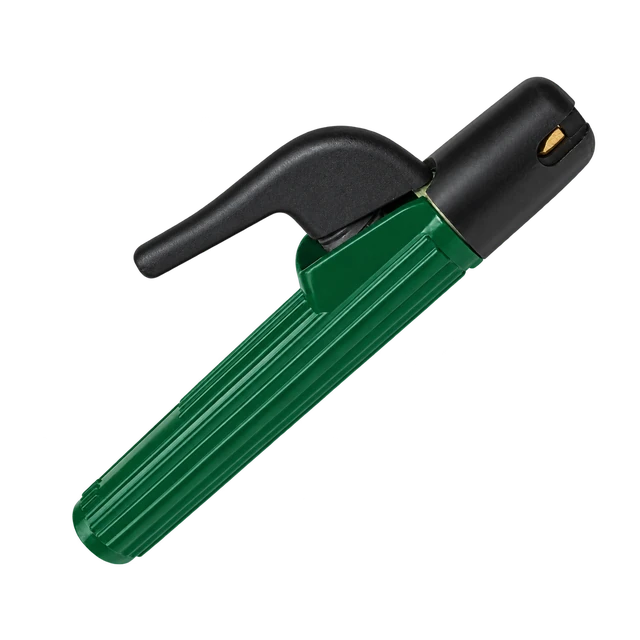
STAVI OPT ELEKTROT TUTUCULAR
Detayları görüntüle →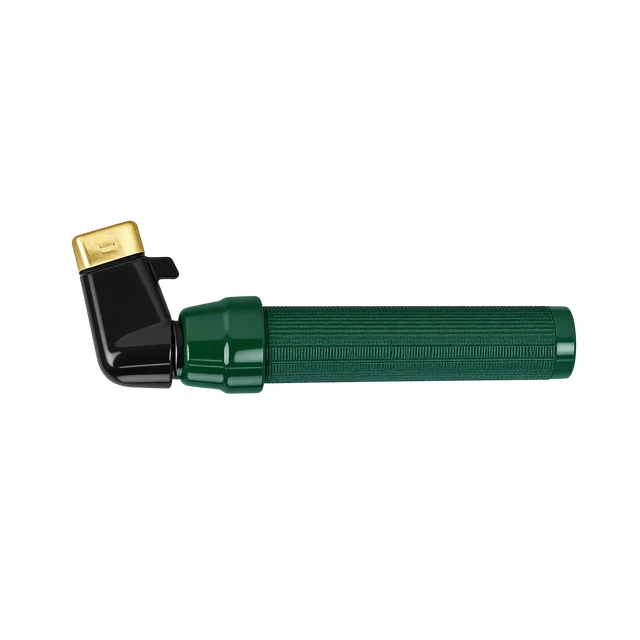
STAVI BÜKÜMLÜ ELEKTROT TUTUCULAR
Detayları görüntüle →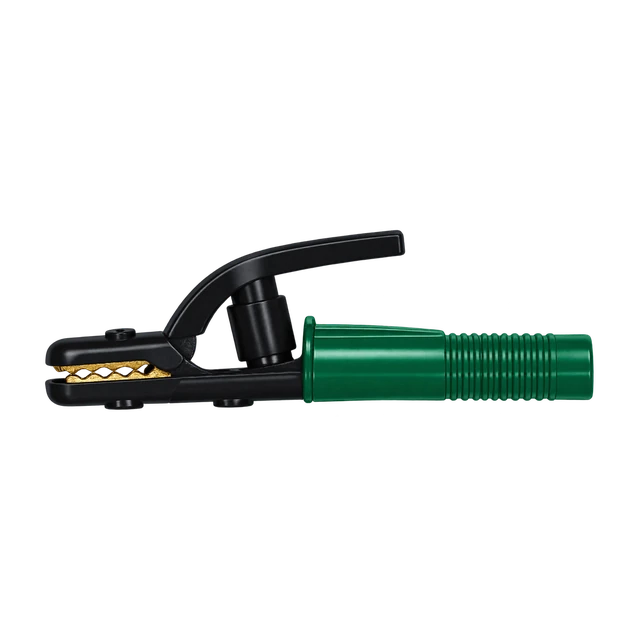
STAVI T ELEKTROT TUTUCULAR
Detayları görüntüle →Kaynak sorununuza çözüm bulalım.
İhtiyaçlarınızı paylaşın. Bir sonraki adımı atmanıza yardımcı olacağız.