



KÌM HÀN STAVI GERMAN
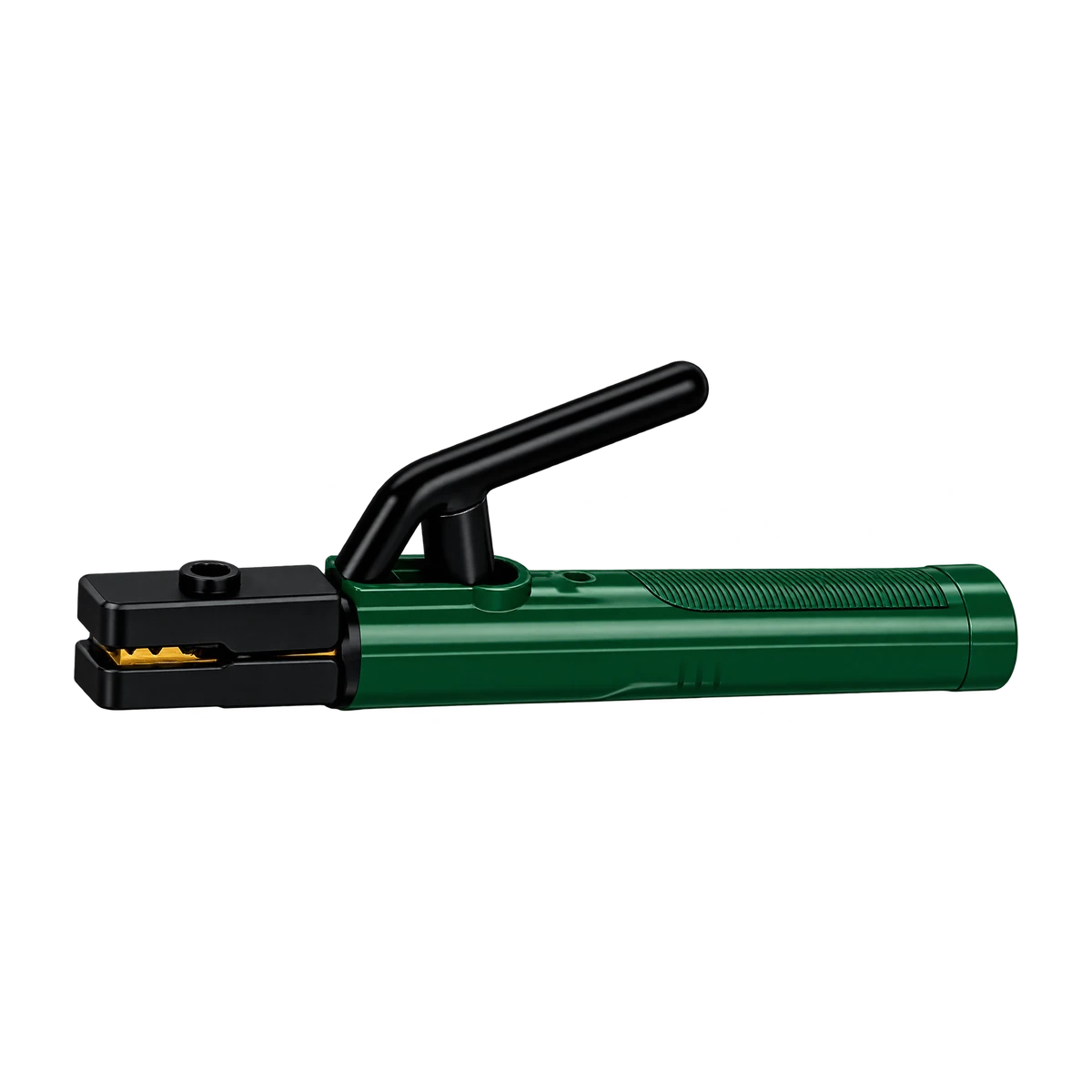
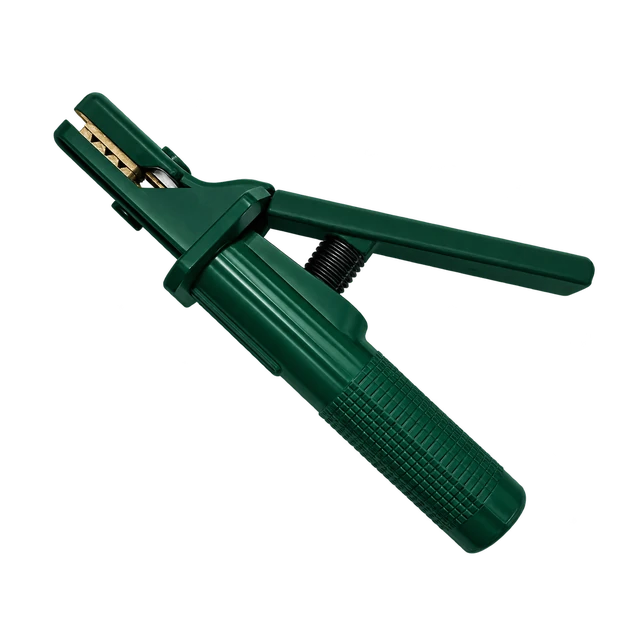
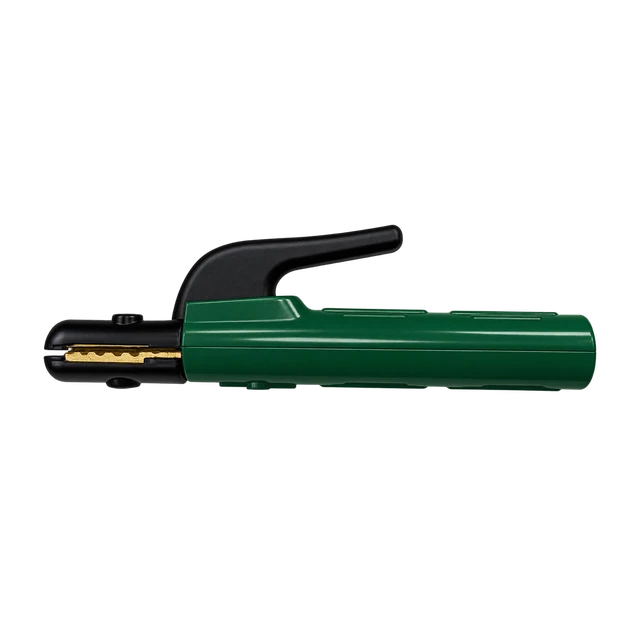
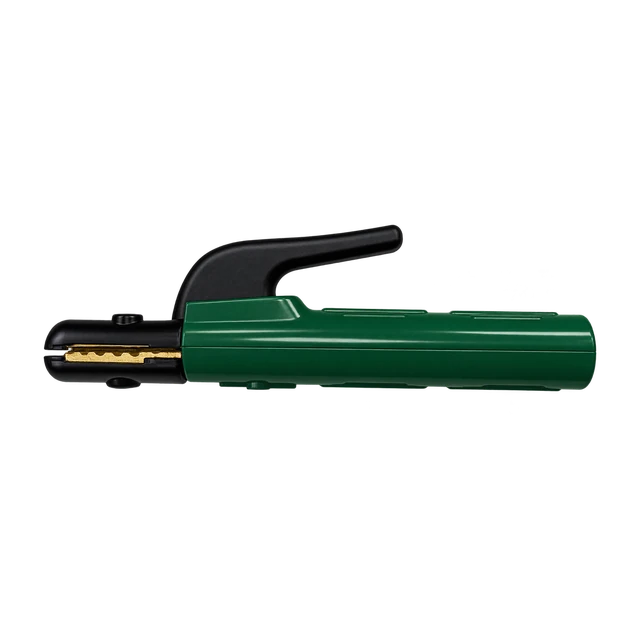
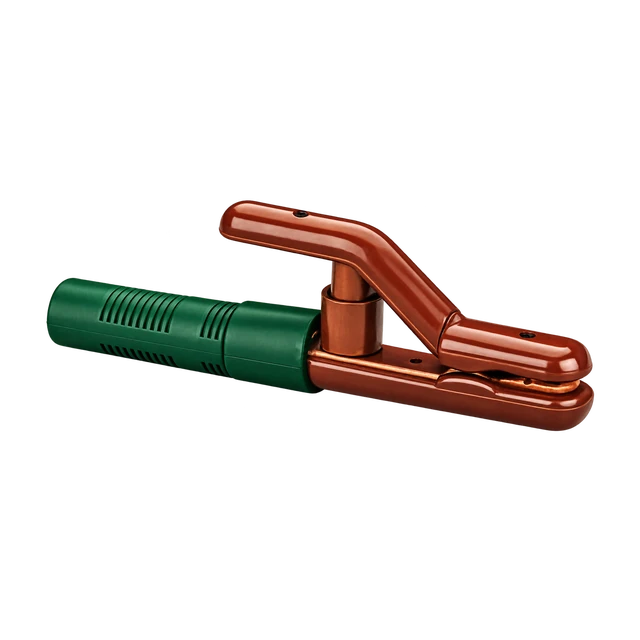
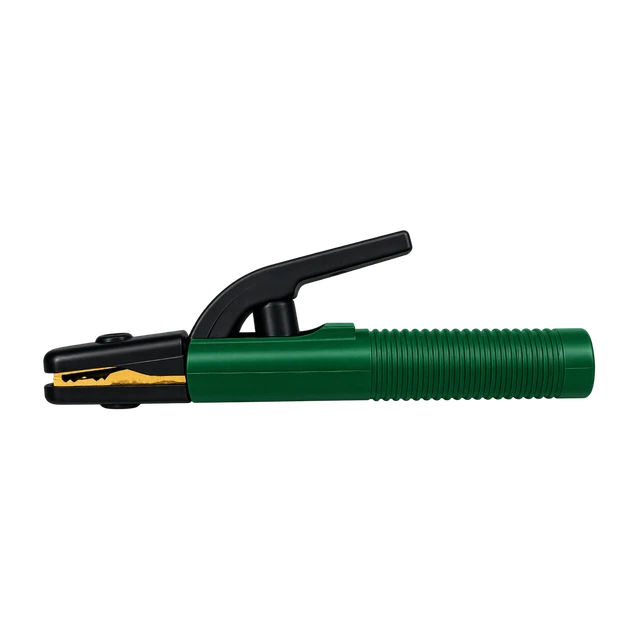
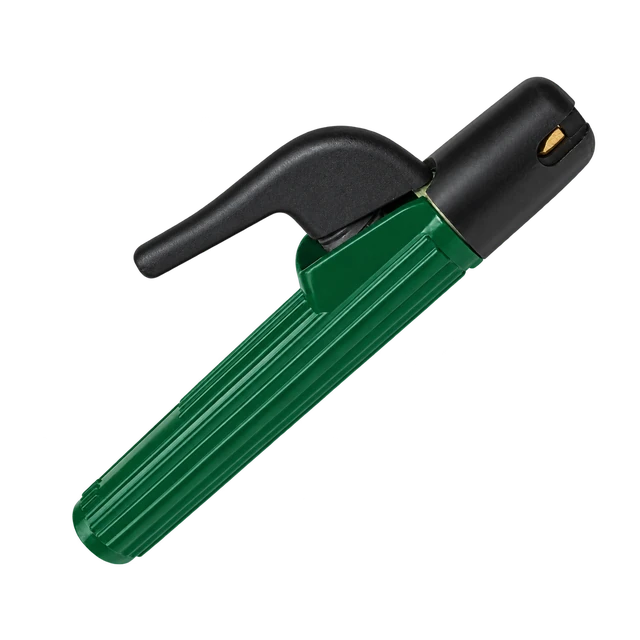
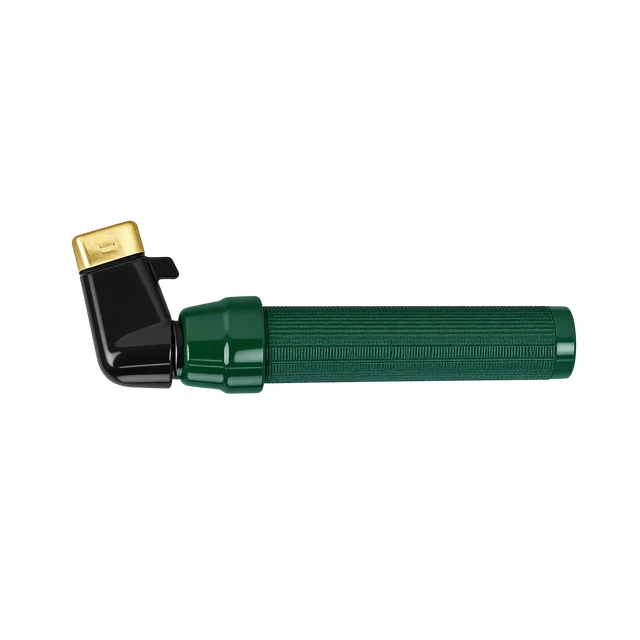
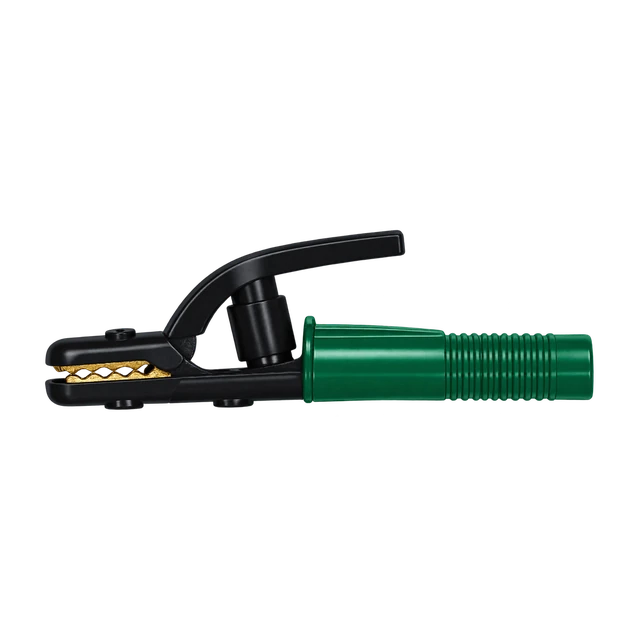
The STAVI GERMAN ELECTRODE HOLDERS follow the German-pattern design favoured in European fabrication shops, with a slim insulated barrel and a low-profile jaw. Five ratings from 200A to 600A take electrodes from 4.0mm up to 10.0mm.
Chi tiết sản phẩm
Key Features and Benefits of STAVI German Electrode Holder
- German-Pattern Design: Slim barrel and low-profile jaw for easier access into tight joints.
- Electrodes to 10.0mm: The 600A model accepts electrodes up to 10.0mm.
- Five Ratings: 200A, 300A, 400A, 500A and 600A.
- Full Insulation: Insulated body protects the operator against accidental contact.
- Tuân thủ các quy định an toàn: Sản phẩm được sản xuất theo tiêu chuẩn EN IEC 60974-11 và đáp ứng các tiêu chuẩn CE.
Specifications of STAVI German Electrode Holder
The table below lists the models available in the STAVI German Electrode Holder range.
| Công suất Ampe | 200 | 300 | 400 | 500 | 600 |
|---|---|---|---|---|---|
| Dung lượng cáp | #3 (35mm²) | 1/0 (50mm²) | 2/0 (70mm²) | 3/0 (95mm²) | 3/0 (95mm²) |
| Điện cực lên đến | 4.0mm | 5.0mm | 6.0mm | 8.0mm | 10.0mm |
Applications of STAVI German Electrode Holder
- Hàn hồ quang kim loại thủ công (SMAW) trong các xưởng gia công.
- Gia công kết cấu thép và các công trình kỹ thuật nặng.
- Hàn bảo trì tại xưởng đóng tàu, nhà máy lọc dầu và nhà máy điện
- Công tác sửa chữa, bảo trì và lắp đặt tại chỗ
Câu hỏi thường gặp
What is a German-type electrode holder?
German type describes a head and jaw pattern of European origin that is manufactured and sold widely in India as a recognised holder style, alongside the A-type, B-type and Samson patterns. The designation refers to the design lineage and the resulting head geometry, not to the country of manufacture — German-type holders sold in India are generally made in India.
How does a German-type holder differ from the A-type and B-type holders common in India?
The differences are in head geometry, jaw form and how the rod is seated and released. A-type and B-type are the patterns most Indian welders have grown up with and are the default in general fabrication. The German pattern is chosen where a buyer prefers that head form, often because the welders are already used to it or because a European equipment specification calls for it. Functionally all three do the same job; the choice usually follows welder familiarity.
Why do some fabricators specifically prefer German-type holders?
Preference in this category is driven by feel far more than by specification — how quickly the rod seats, how the head clears the work in tight joints, and how the holder balances in the hand. A welder who has used one pattern for years will be measurably slower and less comfortable on another, which is why plants tend to standardise on a pattern and reorder it rather than buying on price each time.
Is the German type suitable for heavy structural fabrication?
That depends on the current rating and duty class rather than the head pattern. Head pattern determines how the rod is held and released; it is the rating, the jaw material and the construction that determine whether a holder will survive continuous high-current structural work.
Hãy cùng tìm giải pháp hàn phù hợp với bạn.
Hãy chia sẻ yêu cầu của bạn. Chúng tôi sẽ giúp bạn tiến thêm một bước nữa.