








Copper, Brass and Bronze Brazing Alloys
DESCRIPTION & APPLICATIONS :
Copper and Brass Brazing Alloys are widely used filler metals for joining copper, copper alloys, steels, cast iron, and cemented carbide. These alloys are suitable for flame, induction, resistance, and furnace brazing applications. Known for their strength, conductivity, and cost efficiency, they are practical alternatives to silver brazing alloys in many industrial and fabrication jobs.
Grades & specifications
| STAVINOX Ag Brazing Alloy | Normal composition % | Operating temp (°C) | International standards | |||||||
|---|---|---|---|---|---|---|---|---|---|---|
| Cu | Zn | Si | Others | IS 2927 | DIN EN 1044 | BS 1845 | AWS A5.8 | DIN 8513 | ||
| STAVINOX SIBRO | 60 | 39.6 | 0.4 | - | 880 | Sc6 BACuZn4 | Cu301 | CZ6 | - | L-CuZn40 |
| STAVINOX MANBRO | 60 | 39.6 | 0.2 | Mn 0.2 | 910 | SC8 | - | - | - | - |
| STAVINOX TINBRO Low Sn | 93.8 | - | - | Sn 6 P 0.2 | 1040 | - | Cu201 | - | - | L-CuSn6 |
| STAVINOX TINBRO Hi Sn | 87.8 | - | - | Sn 12 P 0.2 | 990 | - | Cu202 | - | - | L-CuSn12 |
| STAVINOX CUPRO | 100 | - | - | - | 1085 | SC1 BACu1 | Cu102 | - | BCu-1 | L-Cu |
| STAVINOX 680 | 58 | 39.4 | 0.1 | Ni 0.6 Mn 0.3 Sn 1.00 Fe 0.6 | 882 | - | - | - | RBCuZn-B | - |
| STAVINOX LOW FUMING BRONZE | 59 | 39.5 | 0.1 | Sn 1 Mn 0.4 | 870 | - | - | CZ 7A | RBCuZn-C | L-CuZn39Sn |
| STAVINOX BRASS 5545 | 55 | 45 | - | - | 890 | - | - | - | - | L-CuZn46 |
| STAVINOX 470 | 59 | 39.7 | 0.2 | Sn 1 | 890 | - | - | - | RBCuZn-A | - |
General composition
Share of each element in every grade, normalised to 100%. Hover or tap a bar for the exact value.
Solidus – liquidus range
Melting range of each grade in °C, with °F on the right-hand axis. Grades without a published range are not plotted.
Key Features and Benefits of STAVINOX Copper and Brass Brazing Alloys
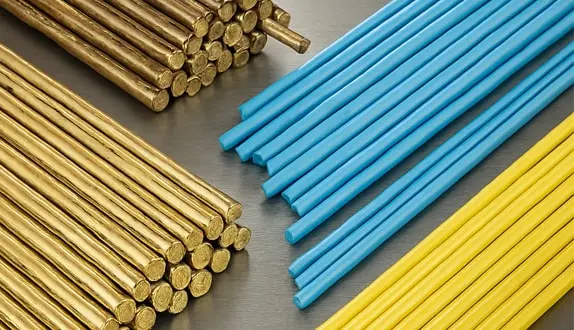
Stanvac International offers a comprehensive range of Copper, Brass, and Bronze Brazing Alloys in forms of wire on spool, coils, cut rods, and rings all developed to deliver reliable joint performance across varied brazing conditions.
Key features and benefits include:
- Wide Application Compatibility: Suitable for brazing copper, copper alloys, mild steel, stainless steel, cast iron, and cemented carbide.
- Multiple Brazing Processes Supported: Designed for use in flame brazing, induction brazing, resistance brazing, and furnace brazing operations.
- Cost-Effective Alternative To Silver Alloys: These alloys provide strong joints at a lower cost compared to silver brazing alloys, making them ideal for large-scale production.
- High Joint Strength: Produces durable joints with good mechanical strength for structural and functional applications.
- Good Corrosion Resistance: Performs well in environments where resistance to oxidation and corrosion is important.
- Excellent Thermal and Electrical Conductivity: Suitable for applications requiring effective heat and current transfer.
- Flexible Product Forms: Available in rods, wires, preforms, and flux-coated rods to suit different joint designs and operator preferences.
These advantages make STAVINOX Brass Brazing Alloys and copper-based fillers reliable choices for industrial brazing applications.
Specifications of Copper and Brass Brazing Alloys
The table below provides an overview of the available STAVINOX alloy grades, including their compositions and operating characteristics.
| Product Name | Cu Percent | Zn Percent | Si Percent | Others | Operating Temperature °C | IS 2927 | DIN EN 1044 | BS 1845 | AWS A5.8 | DIN 8513 |
| STAVINOX SIBRO | 60 | 39.6 | 0.4 | - | 880 | Sc6 | BACuZn4 | Cu301 | CZ6 | L CuZn40 |
| STAVINOX MANBRO | 60 | 39.6 | 0.2 | Mn 0.2 | 910 | SC8 | - | - | - | - |
| STAVINOX TINBRO Low Sn | 93.8 | - | - | Sn 6, P 0.2 | 1040 | - | Cu201 | - | - | L CuSn6 |
| STAVINOX TINBRO Hi Sn | 87.8 | - | - | Sn 12, P 0.2 | 990 | - | Cu202 | - | - | L CuSn12 |
| STAVINOX CUPRO | 100 | - | - | - | 1085 | SC1 | BACu1 | Cu102 | - | L Cu |
| STAVINOX 680 | 58 | 39.4 | 0.1 | Ni 0.6, Mn 0.3, Sn 1.00, Fe 0.6 | 882 | - | - | - | RBCuZn B | - |
| STAVINOX LOW FUMING BRONZE | 59 | 39.5 | 0.1 | Sn 1, Mn 0.4 | 870 | - | - | CZ 7A | RBCuZn C | L CuZn39Sn |
| STAVINOX BRASS 5545 | 55 | 45 | - | - | 890 | - | - | - | - | L CuZn46 |
| STAVINOX 470 | 59 | 39.7 | 0.2 | Sn 1 | 890 | - | - | - | RBCuZn A | - |
This range allows users to select the right copper brazing rods or brass-based filler according to base metal and operating temperature.
Properties of Copper, Brass and Bronze Brazing Alloys
STAVINOX Copper, Brass and Bronze Brazing Alloys fillers are engineered to deliver consistent performance.
| Property | Description |
| Joint Strength | Produces strong and durable brazed joints |
| Flow Characteristics | Good fluidity ensures proper joint filling |
| Corrosion Resistance | Suitable for industrial and outdoor environments |
| Thermal Conductivity | Supports effective heat transfer |
| Electrical Conductivity | Suitable for electrical applications |
| Temperature Stability | Performs reliably within specified operating ranges |
| Material Versatility | Works with ferrous and non-ferrous base metals |
These properties support dependable brazing results across a wide range of applications.
Applications of Copper, Brass and Bronze Brazing Alloys
STAVINOX Brass Brazing Alloys and copper-based fillers are commonly used in:
- Joining steel to copper or brass
- Furnace brazing of copper assemblies
- Electrical and thermal equipment manufacturing
- Repair and maintenance of industrial parts
- Brazing of cemented and carbide tip tools
Clean base metal surfaces and use appropriate flux to achieve strong, defect-free joints.
Related Products
To support complete brazing solutions, the following Stanvac International products are commonly used alongside copper brazing rods:
- Silver brazing alloys
- Copper phosphorus brazing alloys
- Brazing fluxes and pastes
- High Ag brazing alloys, cadmium-free grades
- High Ag cadmium-bearing grades
These products help build a complete and reliable brazing system.
High Ag Brazing Alloys Cadmium Free Grades
View details →
High Ag Cadmium Bearing Grades
View details →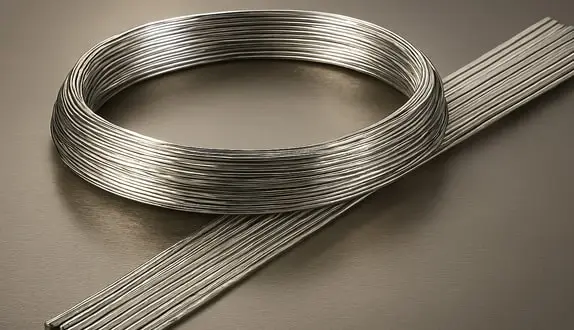
Tungsten Carbide Tools Tipped Grades
View details →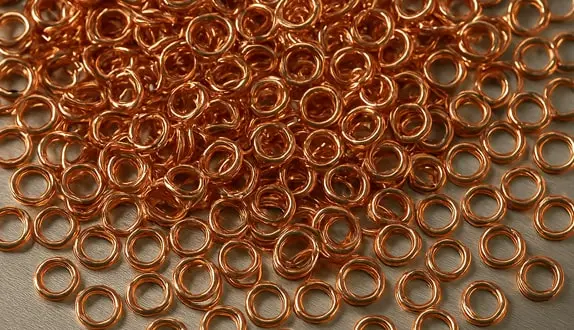
Copper - Phosphorus Brazing Alloys
View details →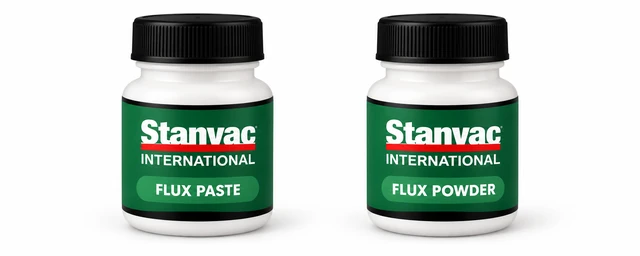
Fluxes And Pastes
View details →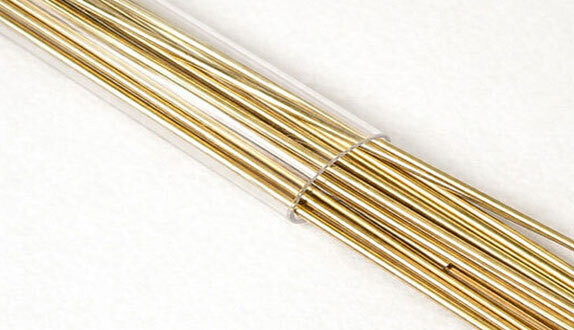
Silver Brazing Rods
View details →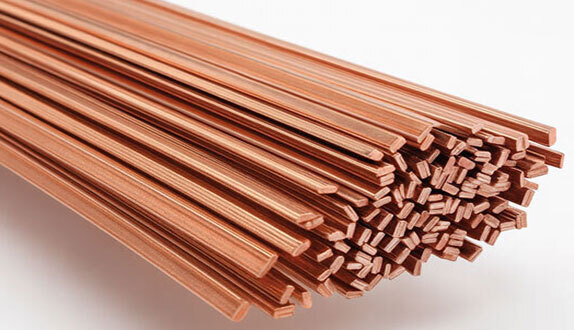
Copper Brazing Rods
View details →Let’s find your welding solution.
Share your requirements. We’ll help you take the next step.