Metal parts working under harsh industrial loads need protection from abrasion, impact and wear, and hardfacing electrodes provide it. Deposited as a tough surface layer, they lengthen the working life of machinery and keep it dependable, while their smooth, consistent welding behaviour suits heavy-duty service.
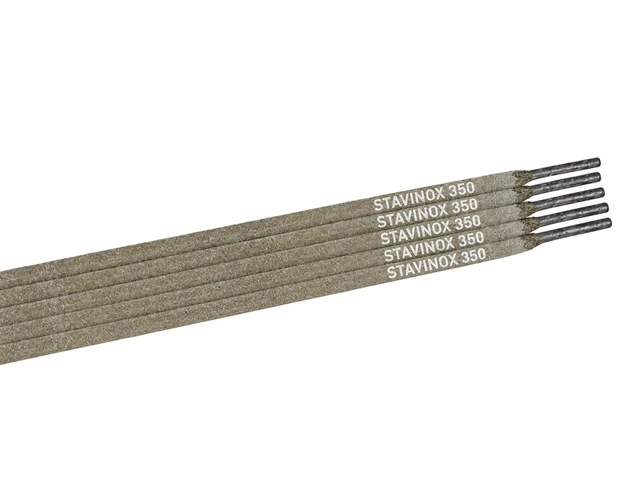
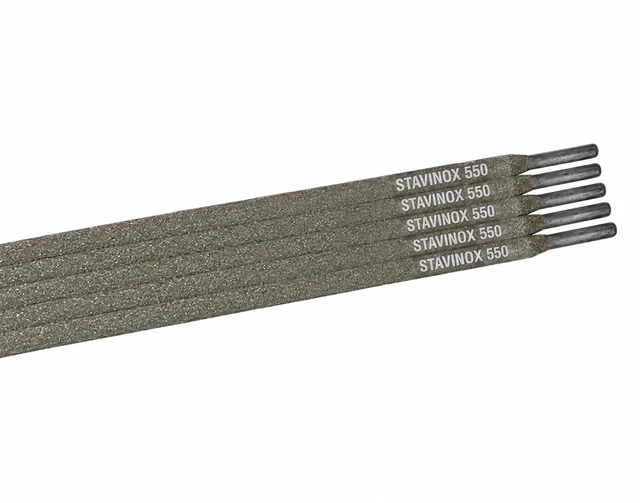
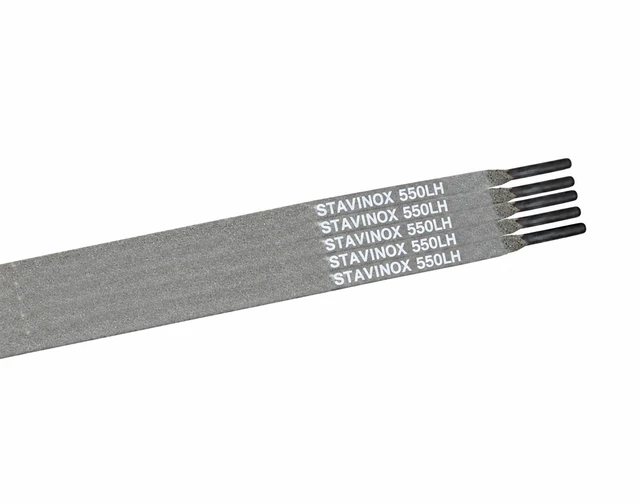
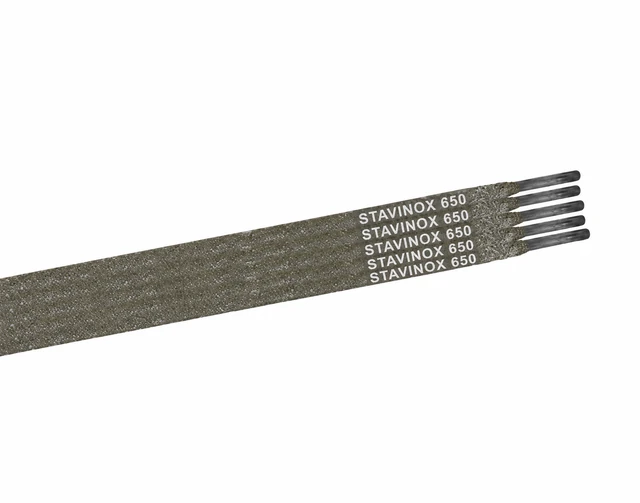
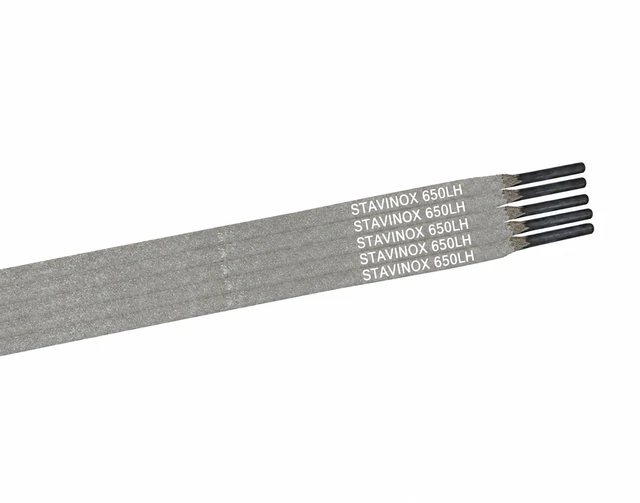
What Is a Hardfacing Welding Electrode?
Hardfacing is a welding technique that lays down a hard, wear-resistant layer over the surface of a component, much like fitting armor plate to a machine. Stanvac International supplies hardfacing rods to customers worldwide to keep industrial equipment from wearing out. Why Equipment Wears Out: heavy machinery is under constant attack from friction, abrasion, impact and erosion. Bucket teeth cut through soil, crusher jaws grind rock, and pump impellers turn at high speed, so these parts gradually thin out and fail. The Traditional Problem: the usual answer is to swap in a new part, which is expensive, causes long downtime and creates waste, since the whole component is scrapped when only its surface is damaged. The Hardfacing Solution: rather than replacing the part, you build up the worn surface with a hard-facing welding rod. The new hard layer resists further wear, so the equipment can run longer before it must be replaced.
Cost savings: 50-70%. Downtime: minimal. Advantages of a hard facing welding rod:
- Lengthens equipment life by 3-5x
- Costs less than buying replacement parts
- Keeps machine downtime to a minimum
- Can be tailored to specific wear patterns
- Suitable for cast iron, steel and other metals
- Professional-grade durability
- Performance proven in industrial use
Hardfacing Electrode Types and Materials
Steel-Based Hardfacing Electrodes (High Hardness)
Steel-based hardfacing electrodes offer the highest hardness, producing very hard surfaces that stand up to severe abrasion.
Characteristics of Steel-Based Hardfacing Electrodes:
- Hardness: 45-55 HRC (extremely hard)
- A high carbon content gives lasting durability
- Excellent resistance to abrasion
- Cheaper than exotic materials
- Suited to mild and carbon steel
Where Steel-Based Hardfacing Electrodes Work Best:
- Bucket teeth and excavator teeth
- Crusher jaws and rollers
- Dumper truck bodies
- Blades on agricultural equipment
- Zones exposed to impact and abrasion
Typical Uses of Steel-Based Hardfacing Electrodes:
- Mining bucket teeth used for digging
- Stone crusher jaws processing hard rock
- Scraper blade edges on construction machines
- Conveyor parts subject to heavy friction
Application technique: steel-based hardfacing calls for careful preheating and controlled cooling so that cracking is avoided. Deposit it in several layers instead of a single heavy pass.
Iron-Based Hardfacing Rods (Balanced Properties)
Iron-based hardfacing rods strike a balance between hardness and toughness, resisting wear while taking up impact. Characteristics:
• Iron-Based Hardfacing Rods Hardness: 40-50 HRC (very hard)
- Handle impact better than steel-based types
- Good resistance to abrasion and erosion
- Adaptable to mixed wear conditions
- Produce a lower-friction surface
Where Iron-Based Hardfacing Rods Work Best:
- Pump impellers and casings
- Valve seats and bodies
- Sliding surfaces and guides
- Parts that see both wear and impact
- Machinery that undergoes thermal cycling
Common Applications for Iron-Based Hardfacing Rods:
- Internals of centrifugal pumps
- Ball mill liners
- Trommel screen bars
- Gate valve components
Why choose iron-based? Where equipment is hit by abrasion AND impact together, steel-based hardfacing may crack. Iron-based deposits absorb the impact and still resist wear.
Nickel and Cobalt Hardfacing (Premium Wear Resistance)
Nickel and cobalt hardfacing electrodes are intended for the most demanding duties, where they give outstanding durability. These premium materials carry a higher price but last considerably longer.
Characteristics of Nickel and Cobalt Hardfacing:
- Hardness: 35-45 HRC (hard and tough)
- Outstanding toughness and ductility
- Well suited to areas prone to impact
- Can be used on cast iron and specialty materials
- Lower residual stress. Cobalt-based characteristics follow:
- Hardness: 50-60 HRC (extremely hard). Best overall wear resistance
- Higher price, but the longest service life
- Superior properties at high temperature
- The best choice for critical machinery
When Nickel and Cobalt Hardfacing Is the Right Choice:
- Costly equipment that must last as long as possible
- Critical production equipment that cannot afford to fail
- Components operating in corrosive environments
- Wear applications at high temperature
- Specialty materials (cast iron, stainless)
Cost vs. performance: premium hardfacing costs 2-3x more, yet it extends equipment life 2-3x longer. For critical machinery the return on investment is excellent.
Applications and Industries for Hard Facing Welding Rods
Stanvac International hard facing welding rods are supplied to demanding industries around the world, including:
- Mining and quarrying: bucket teeth, crusher jaws, screen bars
- Construction equipment: excavator buckets, loader teeth, pusher blades
- Pumping systems: impellers, casings, volutes, suction covers
- Grinding and processing: mill liners, crusher components, grates
- Agricultural machinery: plow shares, rake tines, thresher parts
- Material handling: conveyor idlers, chute liners, guides
- Dredging equipment: cutter heads, hull plates, suction tubes
- Earthmoving: dragline buckets, shovel teeth, dump bodies
Every application calls for particular hardfacing properties, so our engineers pair the electrode type with your specific wear pattern.
How Hardfacing Electrodes Safeguard Your Equipment
Knowing how hardfacing works makes it easier to use well:
Step 1: Identify the wear patterns. Each machine wears in particular places. Excavator buckets wear along the cutting edge, pump impellers at the blade tips, and ball mills on the liner surfaces. We study your exact wear pattern.
Step 2: Choose the right hardfacing electrode. Depending on the type of wear (abrasion, impact, erosion, corrosion), pick a suitable electrode:• Pure abrasion = Steel-based (maximum hardness)• Impact + abrasion = Iron-based (balanced properties)• Critical application = Nickel or cobalt (premium durability)
Step 3: Rebuild the worn surface. Several passes of hard facing welding rod restore worn areas. Layers are added in a planned sequence until the original dimensions are matched, and the hard layer becomes the new wearing surface.
Step 4: Form a protective barrier. The hard surface shields the softer base metal beneath it. While the hard layer wears away, the equipment keeps working, and replacement only makes economic sense after 3-5x the normal life.
Step 5: Return to operation. The hardfaced equipment goes back into service and runs for longer before it needs replacing or another round of hardfacing, saving significant cost and downtime.
The economics of hardfacing:
- Replacing a bucket tooth costs $50-200 per tooth
- Hardfacing the same bucket costs $200-500 per bucket
- Bucket life without hardfacing: 100 hours
- Bucket life with hardfacing: 300-500 hours
- Cost per operating hour WITHOUT hardfacing: $0.50-2.00
- Cost per operating hour WITH hardfacing: $0.10-0.40
- Savings: 80% reduction in component cost
Selecting the Right Hardfacing Cladding Electrode or Rod
Picking the correct hardfacing electrode is key to getting longer equipment life and trouble-free operation. Keep these points in mind when choosing a rod:
- Determine the kind of wear – Establish whether the part is exposed to abrasion, impact, corrosion or high temperatures.
- Check the base metal – Make sure the rod is compatible with carbon steel, stainless steel, cast iron or low-alloy steel.
- Consider the welding position – Certain electrodes can only be used in the flat position, whereas others work in all positions.
- Pick the right hardness – Greater hardness suits severe abrasion, while a balanced hardness is better for parts prone to impact.
- Base the choice on the welding process – Depending on your equipment and operator skill, weigh up manual welding, MIG or flux-cored hardfacing.
- Look at ease of use – Favor electrodes with a stable arc, low spatter and a smooth deposit for better efficiency.
- Think about maintenance intervals – Badly worn parts may need harder overlays or double-layer deposits to last longer in service.
Why Buy Hardfacing Electrodes from Stanvac International
- Expertise – Many years focused on hardfacing solutions
- Material Range – Hardfacing options in steel, iron, nickel and cobalt
- Quality Assurance – Each batch is tested for hardness and durability
- Application Engineering – Expert advice on selecting electrodes and on technique
- Competitive Pricing – Buying direct from the manufacturer gives better value than going through distributors
- Fast Delivery – Stock held locally allows quick supply to customers worldwide
- Proven Results – Relied on by mining, construction and manufacturing companies
- Technical Support – On-site consultation for complex hardfacing projects
Quality Standards and Certifications for Stanvac Hardfacing Electrodes
Every Stanvac International hardfacing electrode conforms to international standards:
- AWS A5.21 – American Welding Society specification for hardfacing electrodes
- ISO 6419 – International standard for hardfacing consumables
- EN 1599 – European standard for hardfacing electrodes
- Third-party laboratory testing of hardness and wear resistance
- Chemical analysis to verify correct alloy composition
- Proper packaging to guard against oxidation and moisture damage
Choosing Stanvac International means choosing assured wear protection.
Frequently Asked Questions
Is it possible to hardface rotating equipment?
Is any special maintenance required for hardfaced equipment?
Does Stanvac International offer application support for hardfacing?
What does hardfacing mean in welding?
How long does hardfacing last before the equipment has to be replaced?
Is it possible to hardface cast iron equipment?
How does the cost of hardfacing compare with replacement?
Should equipment be preheated before hardfacing?
Which hardfacing electrode suits abrasion and which suits impact?
Let’s find your welding solution.
Share your requirements. We’ll help you take the next step.