




Dependable welds in nearly every sector start with the right stick electrode. The process is adaptable, produces a steady, strong arc and yields durable joints. Stanvac International supplies high-grade stick welding electrodes for fabrication shops, maintenance crews and heavy industrial projects around the world.
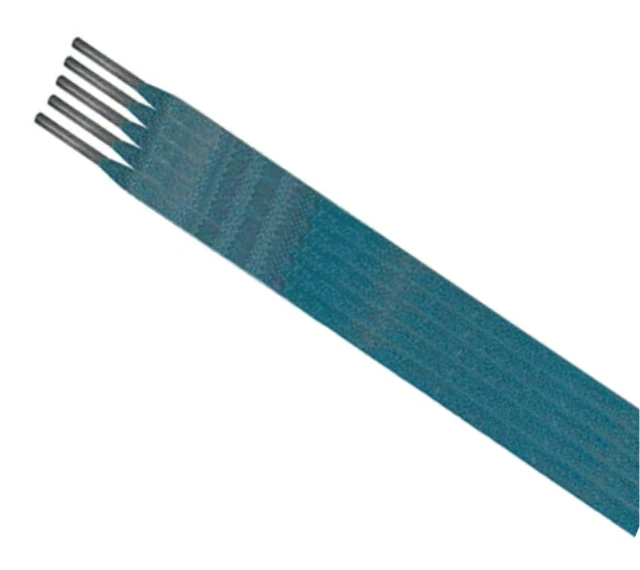
Stick Electrodes Explained
Stick welding is the classic arc process. It is formally called SMAW (Shielded Metal Arc Welding), and the consumables are often referred to as manual welding rods. The process has served construction, pipeline and industrial work for more than 100 years.What sets a stick electrode apart is its construction: a metal core wire wrapped in a flux coating. Once the arc is struck, the coating burns off and forms a gas shield over the molten pool, keeping oxygen and nitrogen away from the weld metal.Stanvac International manufactures stick welding rods for demanding work, from structural steel buildings to pressure vessels, and ships them to customers worldwide. Our rods are made for consistent quality, strong penetration and welds that hold up over time.
Reasons Stick Welding Is Still Widely Used:
- Simple and mobile – no gas cylinders or complicated equipment needed
- Handles tough conditions – wind, rain and open-air jobs are not a problem
- Strong penetration – deep, sound welds in heavy sections
- Wide choice – rods exist for steel, stainless, hardfacing and specialist uses
- Economical – project costs stay below those of many newer processes
- Tolerant – newer welders can reach acceptable results with some practice
Stick Electrode and Welding Rod Types
Carbon Steel Stick Electrodes (6010, 6011, 7018, 8018)
Carbon steel rods are the most widely used group. They suit mild and low-carbon steels in construction, shipbuilding and heavy fabrication.
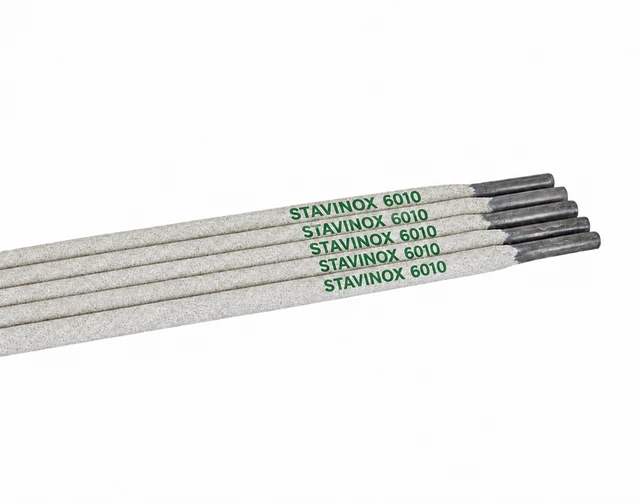
E6010 Electrodes – Deep Penetration
- A top choice for root passes and heavy sections
- Well regarded for pipeline welding
- Copes with rusty or contaminated surfaces
- Produces deep, strong welds
- Demands an experienced welder
E6011 Electrodes – General Purpose
- Can be used in every welding position
- Penetrates well without going too deep
- Common in structural steel fabrication
- Runs on either AC or DC power sources
- More approachable for less experienced welders
E7018 Electrodes – The Most Popular Choice (Low Hydrogen
)• The very low hydrogen coating helps prevent cracking
- Very good mechanical properties
- Neat, attractive weld finish
- Well suited to critical work
- DC power is the recommended supply
E8018 Electrodes – Added Strength
- Higher tensile strength for demanding jobs
- Applied to thick-section heavy machinery
- A strong option for structural steel bridges
- High strength and toughness• Results at a professional standard
Stainless Stick Electrodes (E308, E316, E347)
Where corrosion resistance matters, stainless stick electrodes are the correct choice. They join stainless steel and protect the weld against rust and chemical attack over the long term.
E308 Stainless Stick Electrode
- Everyday stainless steel welding
- Matches SS 304 and comparable grades
- Offers good resistance to corrosion
- Found in food processing and kitchen equipment
- An economical option
E316 Stainless Stick Electrode
- Molybdenum content gives superior corrosion resistance
- Matches SS 316 and highly alloyed stainless steels
- Well suited to chemical plants and coastal sites
- Stands up better to chloride attack
- High quality with extended service life
E347 Stainless Stick Electrode
- Niobium addition for high-temperature service
- Used in power generation and heat exchangers
- Keeps its strength at elevated temperatures
- Applied in aerospace-grade work
- Top-level durability and strength
Specialty and Hard Facing Electrodes
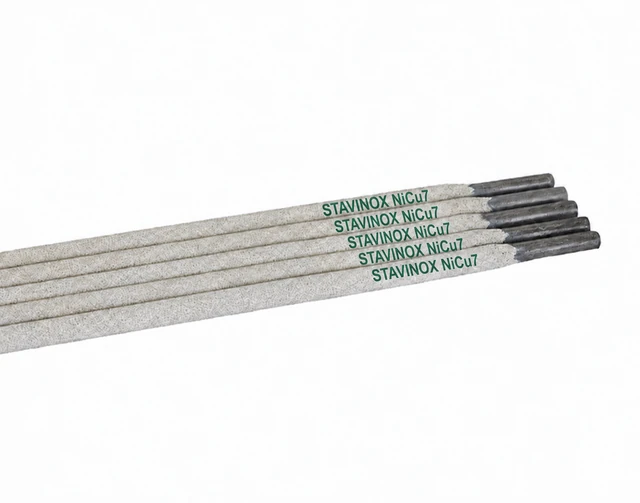
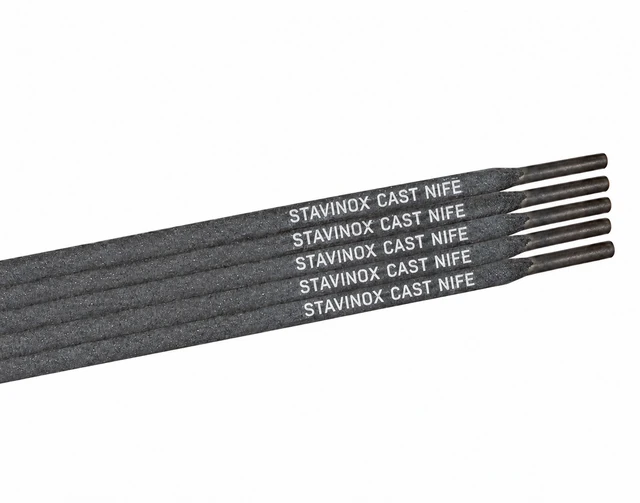
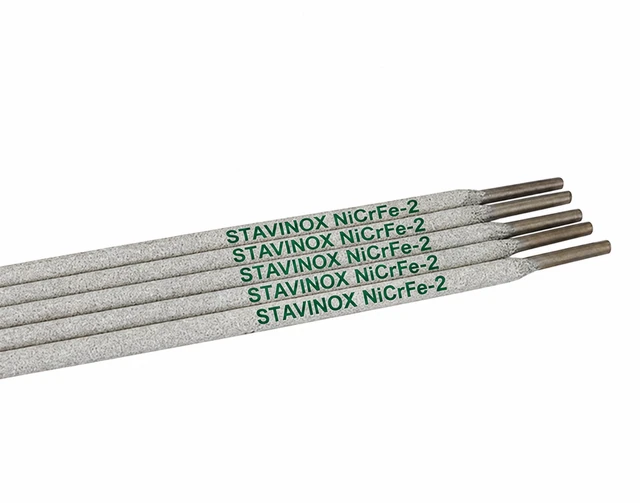
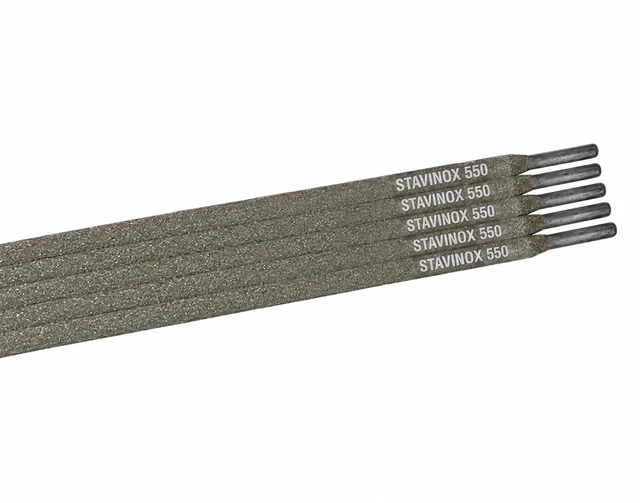
Outside the standard carbon steel and stainless ranges, specialty electrodes handle particular problems:Hard Facing Electrodes – Wear ProtectionApplied to bucket teeth, drill bits and other parts that suffer heavy abrasion, they build a very hard surface that resists wear.Cast Iron Electrodes – Repair WorkTheir special composition allows cast iron to be welded without cracking, which is vital when fixing broken machinery and engine blocks.Nickel Alloy Electrodes – Severe CorrosionChosen for deep-sea service and chemical processing, where ordinary stainless steel falls short.Iron Powder Electrodes – Higher ProductivityIron powder in the coating permits faster travel speeds and greater deposition rates.
Low Alloy Electrodes
Built for jobs needing high strength, heat resistance and superior mechanical performance, these electrodes serve pressure vessels, pipelines, boilers and structural parts working in severe conditions. A low alloy electrode gives outstanding toughness and resistance to cracking.
Nickel Alloy Electrodes
These electrodes weld nickel alloys, which are chosen for aircraft components, engine parts and aerospace equipment because of their strength, corrosion resistance and heat resistance. They are also used in chemical processing plants, on reactors, pipelines and equipment exposed to corrosive chemicals and acids.
Cast Iron Electrodes
Stanvac offers advanced cast iron electrodes for repairing cracked or worn parts, with attention to machinability, crack resistance and compatibility. Hardfacing electrodes shield surfaces from wear, impact and abrasion, which makes them a good match for mining, crushers and heavy-duty equipment.
Copper Alloys Electrode
Copper alloy electrodes are applied in several arc welding processes to join and surface copper and its alloys, with particular types for particular jobs. They combine strong corrosion resistance, good weld strength, machinability and ductility, and perform dependably in harsh industrial settings.
Hardfacing Electrode
A hardfacing electrode rebuilds or upgrades worn surfaces by laying down a tough, wear-resistant layer. With excellent durability, high abrasion resistance and strong adhesion, it suits heavy machinery, industrial equipment and high-impact applications.
Selecting the Correct Stick Welding Rod for Your Job
The right electrode is essential to a successful weld. This short guide will help:
Step 1: Determine the Base Metal
- Mild steel, stainless steel, cast iron or something different?
- The answer sets the electrode family (6xxx, 7xxx, E308, etc.)
Step 2: Review the Strength Needed
- Is very high strength required (E8018)?
- Or will standard strength do (E7018)?
Step 3: Look at the Joint
- Root pass on heavy material → E6010 or E6011
- Cap pass where looks count → E7018
- Work in all positions → E7018 or E6011
Step 4: Assess the Service Environment
- Exposure to rust or chemicals? → Stainless electrode
- Outdoor or damp conditions? → Low hydrogen (7018)
- Elevated temperature? → E347 or a special alloy
Step 5: Consider the Welder's Experience
- New to welding? → E6011 or E7018 are tolerant
- Highly skilled? → E6010 rewards professionals with better results
If you are unsure, talk to your electrode supplier. Stanvac International can suggest a suitable electrode for your particular project.
Where Stick Electrodes Are Used
Stanvac International stick welding rods serve demanding industries in markets worldwide:
- Structural Steel Fabrication – Building frames, bridges, high-rise structures
- Pipeline Construction – Oil and gas transmission lines, severe conditions
- Shipbuilding & Marine – Hull building, offshore platforms, resistance to salt water
- Heavy Machinery – Equipment production, cranes, excavators
- Pressure Vessels – Boilers, tanks, safety-critical applications
- Power Generation – Turbine parts, boiler tubes
- Manufacturing & Repairs – Maintenance and fabrication of industrial equipment
- Automotive – Chassis, frames, structural parts
- Underground Mining – Equipment and support structures
Every application asks for different electrode characteristics, and our stick electrodes are made to perform well across all of these tough fields.
How Stick Welding Compares with Other Processes
What makes stick electrodes a better pick than MIG, TIG or flux-cored wires?
Simple Equipment
- A stick welding machine is straightforward and dependable
- Fewer items to maintain
- Runs from a basic power source
Low Cost
- Smaller outlay on equipment
- Cheaper consumables
- Operators need less training
Field Capability
- Can be used in wind and rain
- Outdoor welding without special preparation
- No shielding gas is needed (which can be an advantage)
Penetrating Power
- Deep, strong welds in thick material
- Single-pass welds on heavy sections
- Excellent joining of rusty or dirty steelVersatility
- Suitable for all types of steel
- Able to weld stainless, cast iron and hard-facing
- Can be used in all positions
Building Skills
- Teaches the basic welding techniques
- A base for learning other processes
- Builds confidence in the welder
Reasons to Buy Stick Electrodes from Stanvac International
- Expertise – Many years of experience producing high-grade stick electrodes
- Quality Control – Each batch is checked for composition and performance
- Full Range – Carbon steel, stainless, hard-facing and specialty grades
- Value for Money – Buying direct from the manufacturer offers better value
- Technical Support – Expert advice on selecting rods and setting welding parameters
- Prompt Supply – In-house manufacturing supports quick dispatch to customers worldwide
- Certifications – Compliance with AWS A5.1, ISO 1641 and IS standards
- Track Record – Relied on by leading structural contractors and fabricators
Quality Standards & Certifications
Every Stanvac International stick electrode conforms to recognised international standards:
- AWS A5.1 – American Welding Society specification for carbon steel stick electrodes
- AWS A5.4 – American Welding Society specification for stainless steel stick electrodes
- ISO 1641 – International standard for stick electrodes
- EN 1599 – European standard for stick electrodes
- IS 814 – Indian Standard for welding electrodes
- Independent laboratory testing of chemistry and mechanical properties
- Correct packaging and storage to guard against moisture pickupBy choosing
Stanvac International, you can count on dependable performance, safety and reliability.
Stanvac Welding Electrode Classification System
Stick electrode designations follow the AWS system, which tells you the tensile strength, the usable welding positions and the coating type. Taking E7018 as an example:
- E = Electrode
- 70 = Tensile strength of 70,000 psi
- 1 = Suitable for all welding positions
- 8 = Low-hydrogen Potassium, iron-powder coating
Positions and Current Types for Stanvac Welding Electrodes
Stanvac stick electrodes are made for:
- Flat welding
- Horizontal welding
- Vertical welding
- Overhead welding
AC, DC positive or DC negative current may be advised, depending on the electrode type.
Chemical Composition and Tensile Strength
Chemical composition is kept under control for each Stanvac electrode so that the weld metal properties stay consistent. Materials are selected to provide:
- High tensile strength
- Resistance to cracking
- Resistance to corrosion
- Resistance to heat
- An even, smooth bead
As a result, the welds can be relied on in demanding service conditions.
Frequently Asked Questions
How do 1/8" and 5/32" stick welding rods differ?
Does Stanvac International supply stainless stick electrodes?
How are E6010 and E7018 electrodes different?
Is it possible to weld stainless steel with stick welding rods?
What is the proper way to store stick electrodes and avoid moisture damage?
What is meant by "low hydrogen" in stick electrodes?
What is the best stick electrode for a beginner?
Should I use AC or DC for stick welding?
Let’s find your welding solution.
Share your requirements. We’ll help you take the next step.