


Hard surface tubular electrodes shield components against wear, abrasion and impact. Their smooth running, firm bonding and lasting deposits suit fabricators who build stainless steel railings, gates, kitchen equipment and other parts that see hard use in tough environments.
Hard Surface Tubular Electrodes from Stanvac International
Stanvac International supplies hard surfacing and tubular welding electrodes engineered for severe wear and demanding industrial duty. Made to ISO/AWS-compliant quality and produced with advanced manufacturing methods, they serve customers worldwide in mining, construction, cement and fabrication.
Our Range of Hard Surface Tubular Electrodes
The range is built around specialised hard surfacing grades that cope with heavy wear, impact and metal-to-metal friction, so your equipment lasts longer and works better.
- A 81 (T) A premium tubular electrode with a highly enriched, metallurgically refined deposit, suited to extreme abrasion combined with high impact. Complex carbide and Boron sit in a richly alloyed tough matrix, producing a wear-resistant layer that works well on agitator fingers, valves, coke crusher segments, ploughshares, ash ploughs, screw conveyors, mill guides, rake teeth in furnaces, tong bits, slag ladles and elevator bucket tips.
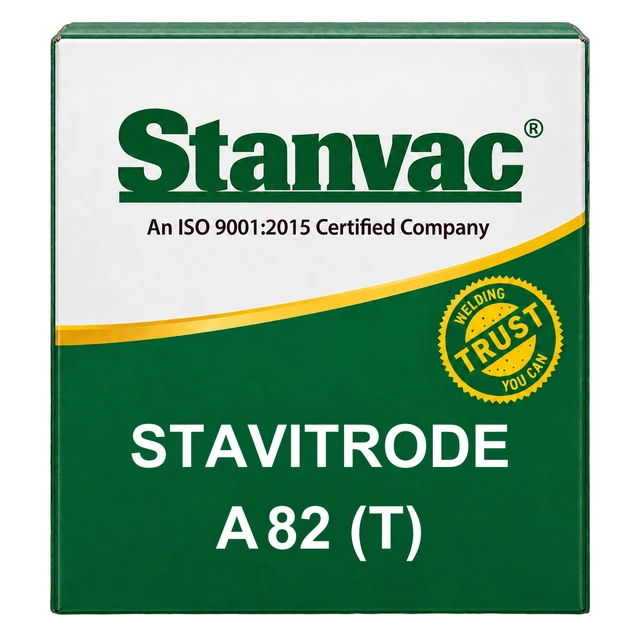
- A 82 (T) A chromium carbide tubular electrode for extreme abrasion with low to moderate impact. Its tough, wear-resistant chromium carbide layer is a good fit for mining, earthmoving and other high-wear work.
- A 83 (T) A micro alloyed Chrome Carbide tubular electrode offering good abrasion and moderate impact resistance, even at elevated temperatures, along with good resistance to erosion and corrosion. Its work-hardening overlays last long on parts under continuous stress, so performance stays dependable.
- A 86 (T) A Chromium Niobium Carbide matrix gives excellent resistance to severe abrasion, reaching > 60 HRC on stainless steel in a single deposit, with uniform hardness and no chunking. Well suited to rail ballast tampers, crusher hammers, dredger teeth, ripper teeth, grizzly bars and steel guides.
- A 87 (T) A tubular electrode with a complex carbide and boride matrix, delivering excellent resistance to severe abrasion and good impact resistance, even at elevated temperatures up to 500 °C, plus good resistance to erosion and corrosion. Typical uses include steelworks spike crusher rolls, grizzly bars, blast furnace bell chutes and other parts exposed to high temperatures and heavy abrasion
These electrodes are made to give smoother welding, cut downtime and keep equipment strong under harsh industrial conditions.
Types & Grades of Tubular Welding Electrodes
Why Use Stanvac Hard Surfacing Electrodes
Stanvac hard surfacing electrodes are developed to make welding jobs easier, more efficient and longer lasting. Using them brings these benefits:
- Faster welding: A high deposition rate saves time and lifts productivity.
- Exceptional wear resistance: Solid protection against abrasion and impact extends the life of your components.
- Reliable bonding: Compatible with most industrial metals, giving a secure, strong weld.
- Smooth welding: Slag comes off easily and the weld flows steadily, keeping the work cleaner and simpler.
- Reduced downtime: Parts that last longer mean fewer replacements and steadier operations.
- Stable performance: A steady arc produces a clean, uniform bead every time.
- Efficient use of materials: Excellent metal recovery keeps wastage down.
- Versatile applications: Equally useful for repair welding and for surfacing new components.
Together these advantages deliver durable, dependable results while improving productivity and lowering costs.
Where Hard Surface Tubular Electrodes Are Used
Hardfacing is a dependable way to rebuild worn parts or toughen new ones, and tubular welding electrodes are made to stand up to constant wear. Industries benefit as follows:
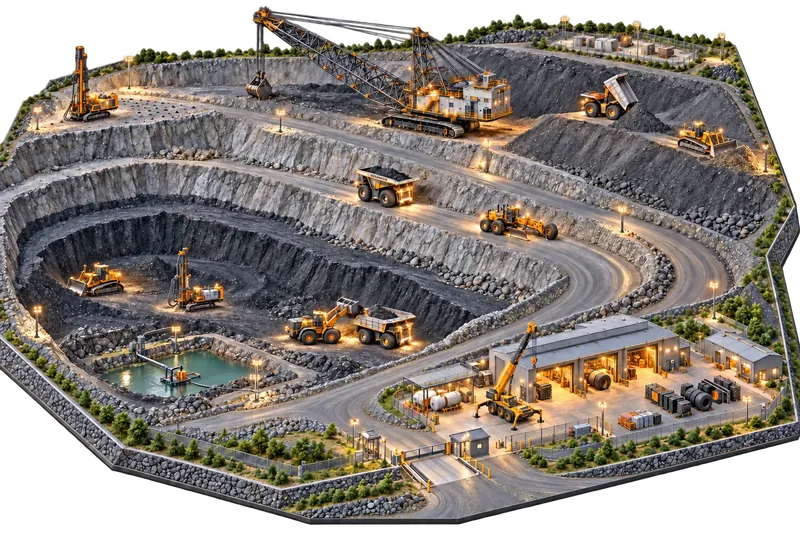
- Mining and Quarrying: Buckets, crushers, screens, hammers, augers and conveyor parts stay in service longer and perform better.
- Construction and Earthmoving: Excavator teeth, blades, shovels, bulldozer edges and compactors are shielded from heavy wear.
- Cement and Aggregate Industry: Durable electrodes extend the life of mixers, kiln parts, grinders and chutes.
- Agriculture: Ploughs, harrows, blades and other soil-contact tools remain strong and effective.
- Steel and Foundry Operations: Rollers, guides and other equipment under continuous impact are reinforced.
- Sugar Industry: Cane shredders, knives and cutting tools keep working efficiently without constant replacement.
Across these sectors, the electrodes help lower maintenance costs, hold performance at its peak and prolong component life in harsh conditions.
Selecting the Right Hard Surface Welding Rod
The right welding rod makes a real difference to how durable and dependable the result is.
- Identify the type of wear Consider how the component will be used. Choose very hard electrodes for abrasion and tough electrodes for impact; for combined wear, pick a grade that copes with both.
- Check base metal compatibility The electrode must suit the metal being welded, whether carbon steel, low alloy steel, cast iron or stainless steel. A correct match gives strong bonding, fewer cracks and better weld quality.
- Consider the welding position Some electrodes work best in the flat or horizontal position, while others handle all positions. Follow the guidance given for each grade to get the best results.
- Balance hardness and toughness Hardness raises wear resistance and toughness guards against cracking. Pick an electrode that strikes the right balance for your application.
- Evaluate ease of use For field repairs or less experienced crews, choose electrodes that run smoothly, are simple to handle and give consistent results.
Working through these points leads to durable, high-performing welds that prolong component life and keep operations moving.
Why Choose Stanvac International for Hard Surface Tubular Electrodes
Stanvac International manufactures hard surface tubular electrodes that are dependable, easy to use and made to last. Choosing Stanvac brings practical benefits that make your fabrication work smoother and more efficient:
- Consistent quality– Each electrode performs reliably, keeping your projects free of worry.
- Transparent pricing– Fair, uniform rates that are clear to every customer.
- Easy availability– Several buying options for quicker access, wherever you are.
- All-in-one solutions– A full range of stainless steel consumables, so you do not need several suppliers.
- Superior performance– Excellent wear resistance, strong bonding and reduced cracking.
- High productivity– Efficient deposition saves time and extends component life.
With these strengths, Stanvac International is a trusted partner for dependable hardfacing products and support for customers worldwide.
Frequently Asked Questions
What are hard surface tubular electrodes and how do they function?
How do tubular electrodes differ from solid welding electrodes?
How should I pick an electrode for abrasive or impact wear?
What advantages do Stanvac hard surfacing electrodes offer?
Which industries typically rely on hard surface electrodes?
Do Stanvac electrodes comply with AWS or ISO standards?
How much longer do parts last after hardfacing?
Let’s find your welding solution.
Share your requirements. We’ll help you take the next step.