

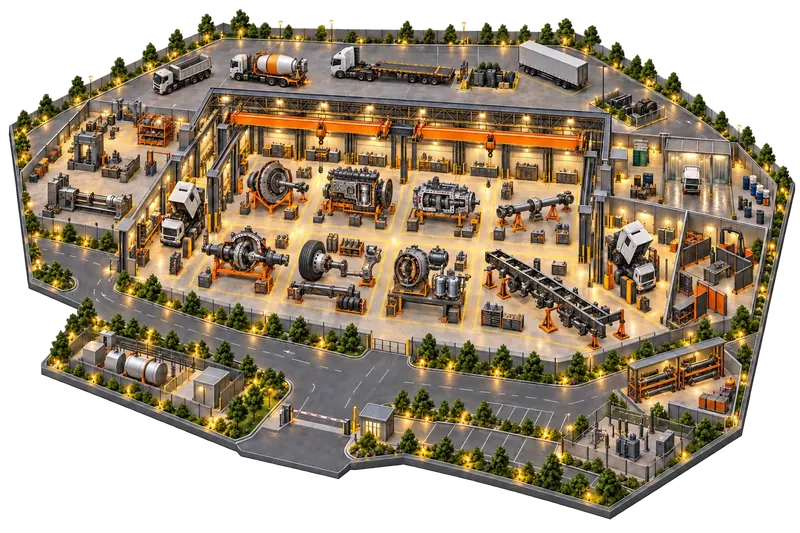

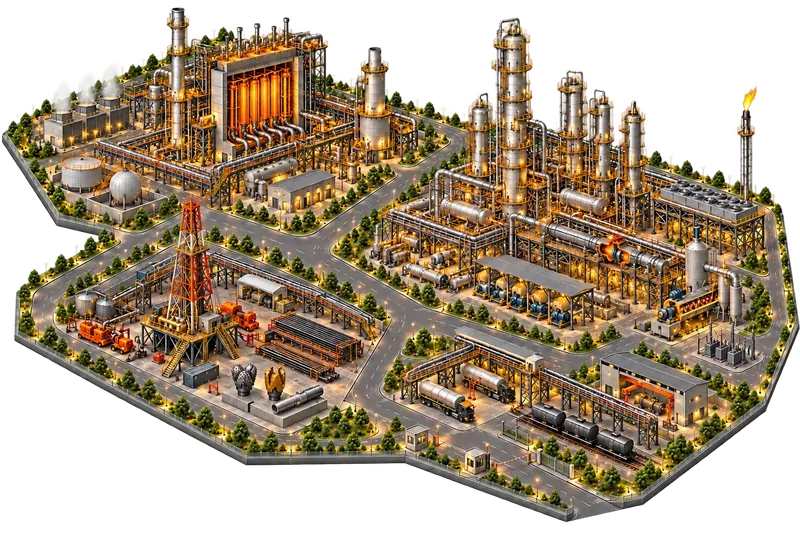

When high-strength and structural steels have to deliver strength, toughness and a long service life, low-alloy steel welding electrodes are the right consumable. Stanvac International supplies dependable, high-performance low-alloy electrodes for heavy-duty work in industries around the world.
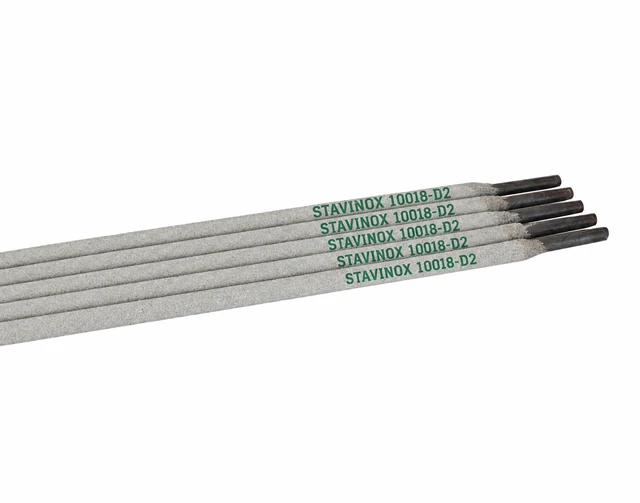
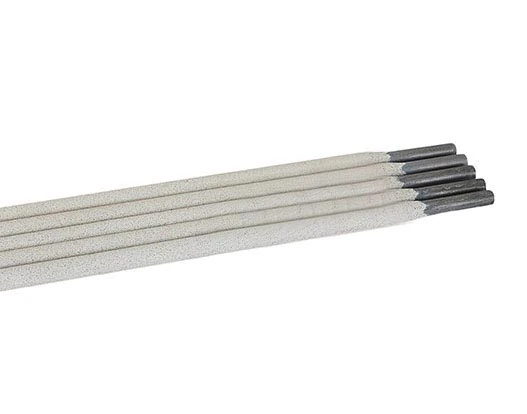
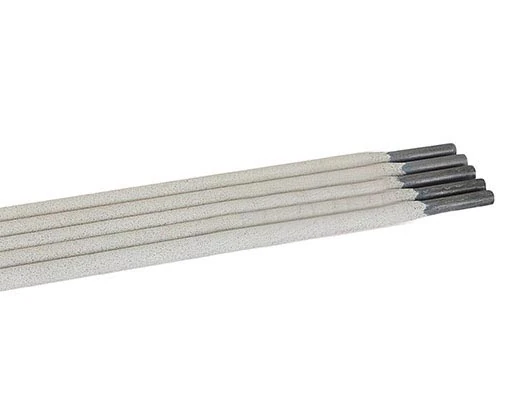
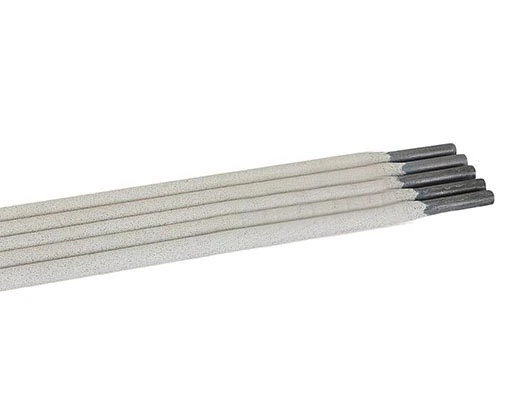
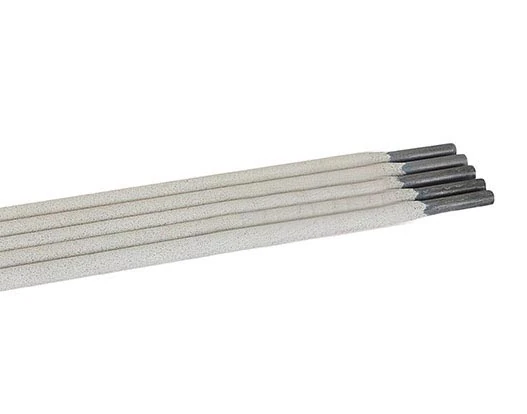
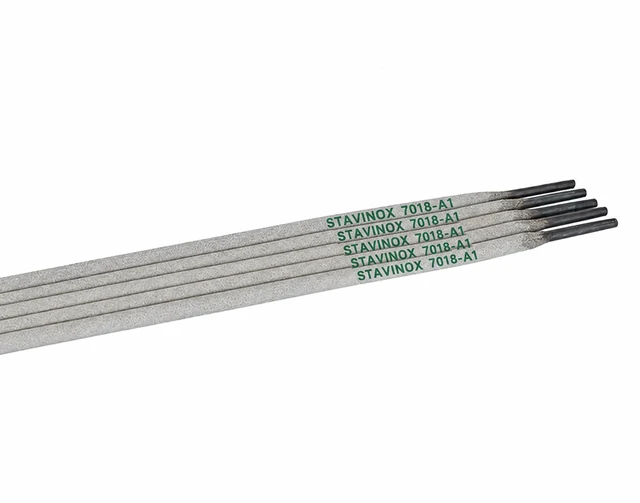
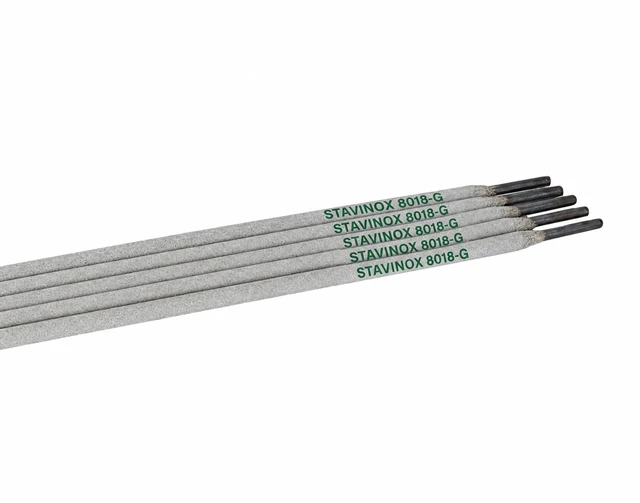
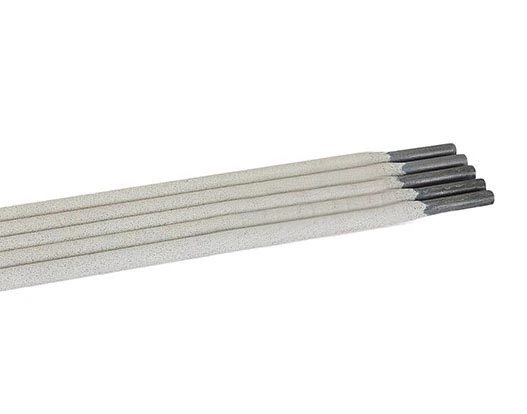
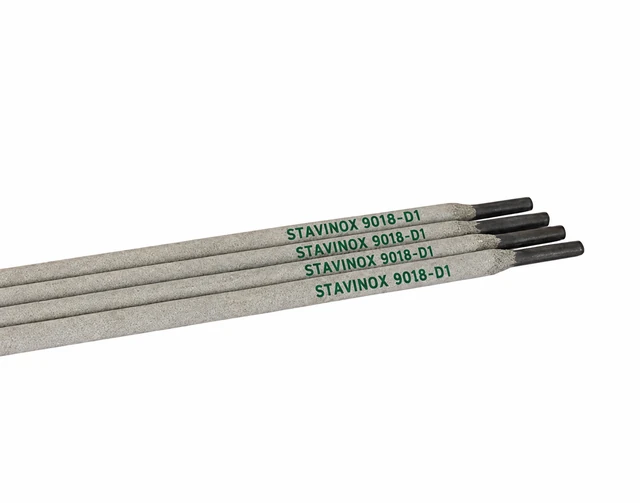
Low Alloy Electrodes for Welding High-Strength Steels
Low-alloy electrodes give clean, strong welds on steels that contain chromium, molybdenum, nickel and vanadium. They are the natural choice when a joint needs additional strength, resistance to heat and good toughness.
Stanvac International supplies a complete range of these electrodes, valued for a smooth arc, a tidy bead and sound mechanical strength. On pressure vessels, boilers or high-strength steel structures, they give safe, repeatable and dependable results on every job.
Understanding the Low Alloy Electrode
A low-alloy electrode is a welding consumable built on a steel that carries a small proportion of alloying elements. Those additions raise strength, crack resistance, impact toughness and heat resistance. Against a standard carbon steel electrode, a Low-Alloy Steel Electrode performs better in critical welding conditions.
Where Low-Alloy Steel Welding Electrodes Are Used
Low-Alloy Steel Welding Electrodes serve many industries that depend on welded joints able to resist loads, heat and impact. The main areas are listed below:
- Structural Steel Fabrication Applied to bridges, buildings, cranes and other load-bearing structures that need high strength and long-term stability.
- Pressure Vessels and Boilers Well suited to Cr-Mo steel, high-pressure components, refinery equipment and thermal plant units.
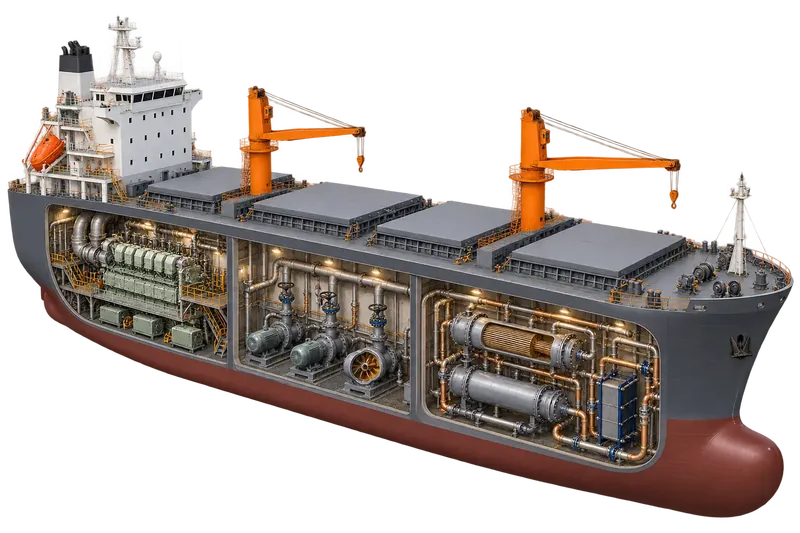
- Shipbuilding and Offshore Structures Valuable for steels that face harsh marine exposure, dynamic loading and low-temperature service.
- Power Plants and Refineries Applied to pipe welding, turbine components, heat exchangers and any equipment that undergoes thermal cycling.
Taken together, these uses show why a low-alloy electrode is a key consumable wherever dependable mechanical performance is required.
Low-Alloy Electrode Types from Stanvac International
Stanvac International supplies a broad selection of low-alloy electrodes engineered for strength, toughness and easy handling. The grades below are used in construction, fabrication and industrial operations.
Low alloy electrode grades we supply:
- 7010/8010 G
- 7016/7018-A1
- 7018-W1
- 8018-W2
- 8018/8015/8016-B2
- 9018/9015/9016-B3
- 8018-B6
- 8018-B8
- 9018/9015/9016-B9
- 9018/9015/9016-B92
- 8018-C1
- 8018-C2
- 8018-C3
- 8018-G/8018M
- 9018-D1
- 9018-D3
- 10018-D2
- 11018-G/11018M
- 12018-G/12018M
- 13018-G
- 14018M
Every Low-Alloy Steel Electrode is developed to meet AWS and ISO specifications, so it performs reliably in structural and pressure-related fabrication.
Advantages of Low-Alloy Steel Electrodes
A Low-Alloy Steel Electrode brings a number of performance gains, particularly in demanding industrial service.
- High tensile strength for components carrying heavy loads
- Outstanding resistance to cracking
- Good toughness at low temperatures
- Stable arc that strikes and restrikes easily
- Suitable for high-pressure and high-temperature environments
- Improved ductility and metallurgical compatibility with alloy steels
For these reasons, low-alloy electrodes are often preferred for critical welding across today's engineering sectors.
Selecting the Correct Low Alloy Welding Electrode
Picking the right Low-Alloy Welding Electrode is what allows the weld to reach the strength and service life that the job demands.
- Base Metal Composition Match the electrode to the alloy content of the steel you are joining.
- Mechanical Requirements Define the tensile strength, impact toughness and hardness the weld must achieve.
- Service Conditions Take into account exposure to temperature, corrosive surroundings and the loads involved.
- Welding Position and Technique Select electrodes made for flat, vertical, overhead or all-position welding, depending on the task.
- Code Requirements Confirm conformity with the AWS, ASME or ISO specifications that apply to the project.
Why Buy Low-Alloy Welding Electrodes from Stanvac International?
Stanvac International makes low-alloy electrode products that are recognised for steady quality and strong mechanical performance. Advanced manufacturing methods, tight quality controls and certified raw materials allow us to supply weld consumables that meet global standards.
- Modern production facilities equipped with advanced testing systems
- Conformity with AWS, ISO and other industry standards
- Broad selection of Low-Alloy Steel Electrode grades
- Proven results in structural and pressure applications
- Strong distribution network and dependable delivery
- Technical support with product selection and welding guidance
Because of this commitment to quality, each Low-Alloy Steel Welding Electrode we ship performs dependably on critical welding work.
Frequently Asked Questions
How does a low-alloy electrode differ from a carbon steel electrode?
Where are low-alloy steel electrodes typically applied?
Are they suitable for every kind of steel?
What is the correct way to store low-alloy electrodes?
Which standards do they meet, and what tensile strengths are available?
Why use low-hydrogen low-alloy electrodes?
Let’s find your welding solution.
Share your requirements. We’ll help you take the next step.