





Understanding Carbon Steel Welding Rods
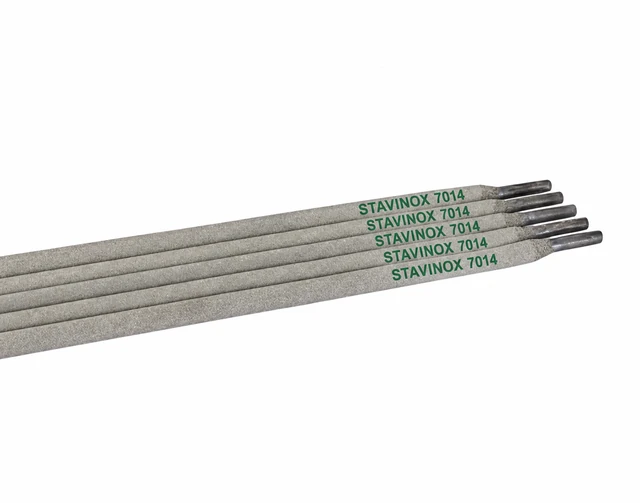
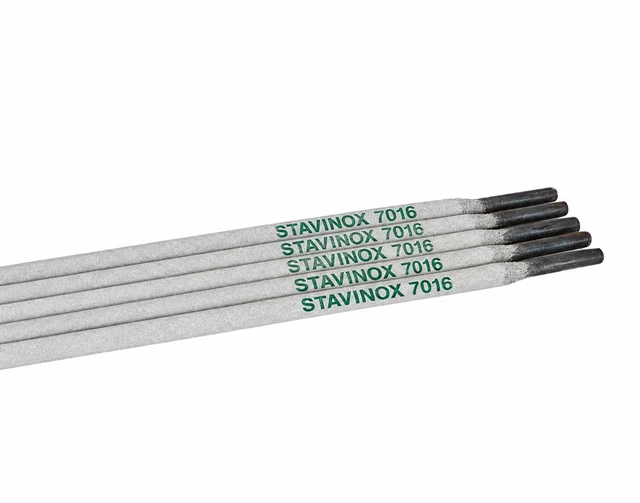
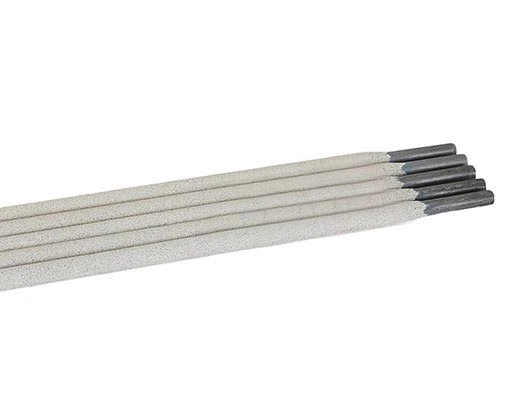
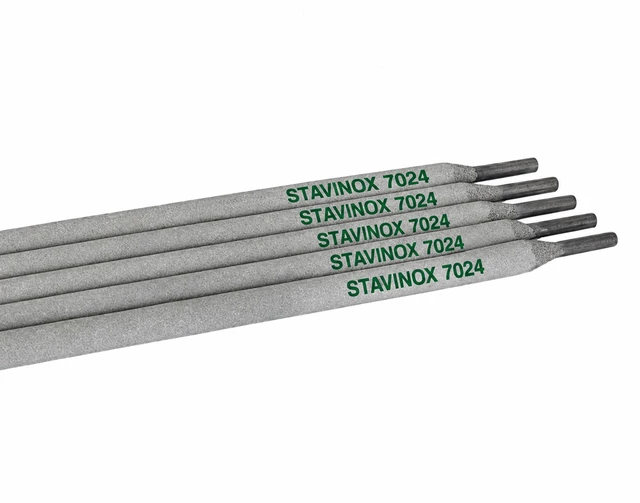
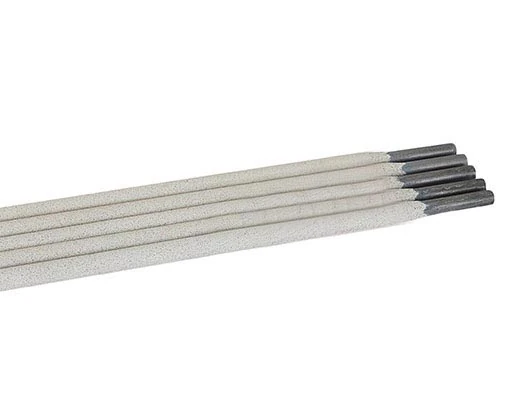
Carbon steel welding rods are the workhorse consumable of construction, manufacturing and infrastructure work. Stanvac International supplies carbon steel electrodes to customers worldwide, giving welders consistent, dependable joints. Few materials are used as widely as carbon steel: it is strong, inexpensive and straightforward to weld. Skyscrapers, industrial equipment and repaired pipelines all rely on it, which makes it the backbone of modern infrastructure.
The Role of Carbon Steel Electrodes
A welding rod joins two pieces of metal into one permanent connection. A carbon steel rod therefore has to offer strength, penetration and dependability, because a weld that fails can bring equipment downtime, safety hazards and costly repair work.
What the Correct Carbon Steel Rod Gives You:
- Joints that stay strong for decades
- Resistance to rust and corrosion when suitably protected
- Confident performance in high-stress service
- Usability in every welding position
- Steady, professional-looking results
What Sets Our Carbon Steel Rods Apart:
Stanvac International carbon steel electrodes are engineered for top performance. Each rod conforms to international standards and is tested for strength and consistency, so choosing our rods means choosing dependability.
Where They Are Used:
Typical uses include structural steel fabrication, pipeline construction, shipbuilding, equipment manufacturing, automotive frames, agricultural machinery, pressure vessels and the repair of industrial equipment.
Carbon Steel Electrode Types and What They Are Used For
Mild Steel Electrodes (Low Carbon Content)
Mild steel electrodes contain little carbon (under 0.20%). They weld easily and form ductile deposits that tolerate cracking well.
Typical Traits of Mild Steel Electrodes:
- Simple to run, whether you are a beginner or a seasoned welder
- Produces flexible, ductile welds
- A strong choice for general fabrication
- Suitable for all positions
- Well matched to thin and medium sections
Where Mild Steel Electrodes Work Best:
- Frames and building structures
- Everyday fabrication workshops
- Sheet metal jobs
- Farm and agricultural equipment
- Minor repairs and modifications
Mild Steel Electrode Grades:
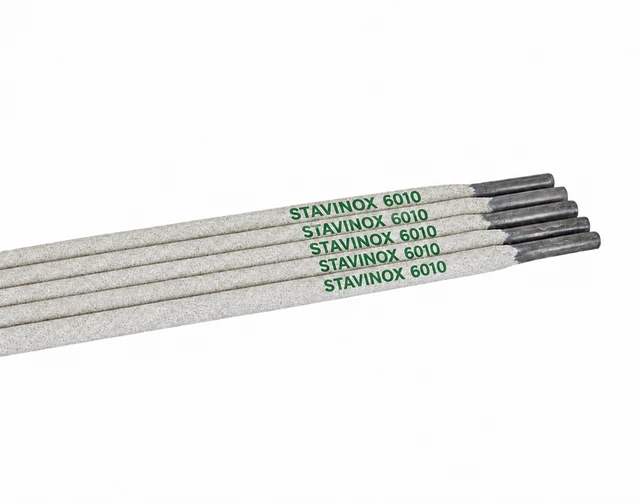
- E6010 – Greatest penetration, suited to thick material
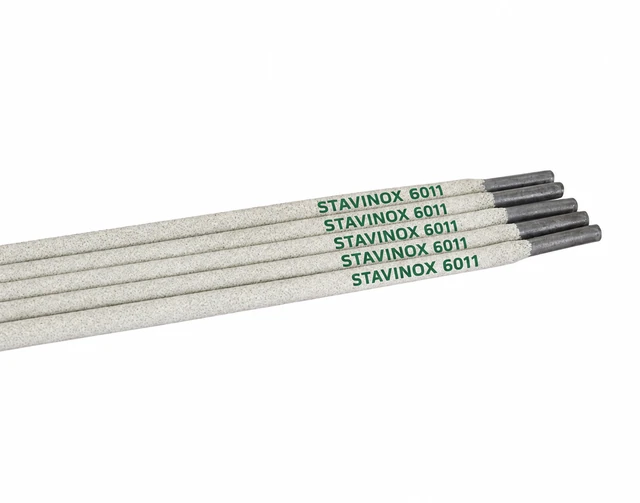
- E6011 – Versatile general-purpose rod for any position
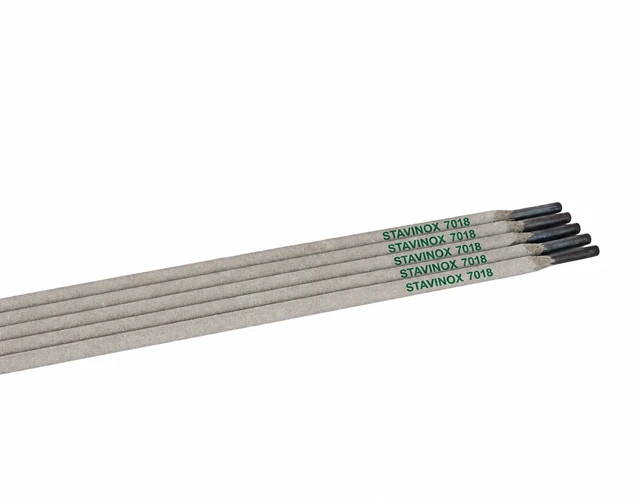
- E7018 – Low hydrogen, with excellent strength and bead appearance
When Mild Steel Electrodes Are the Right Pick:
For most jobs, mild steel electrodes are the natural first choice. When you cannot decide which rod to pick, mild steel is usually the correct answer.
Medium Carbon Steel Electrodes (High Strength)
Medium carbon steel holds 0.20-0.50% carbon. It is stronger than mild steel and can still be welded when the right technique is followed.
Typical Traits of Medium Carbon Steel Electrodes:
- Tensile strength above that of mild steel
- Improved hardness and wear resistance
- Needs careful control of preheat and cooling
- Ductility is lower than in mild steel
- Cracking is more likely when procedure is not followed correctly
Where Medium Carbon Steel Electrodes Work Best:
- Components for heavy machinery
- Pressure vessels that need extra strength
- Chassis and frames for vehicles
- Mining and quarrying equipment
- Parts that call for greater strength
Technical Points for Medium Carbon Steel Electrodes:
Welding medium carbon steel demands correct procedure. Bring the base metal up to 300-400°C before welding, choose low hydrogen electrodes (E7018 type), keep the cooling rate under control to avoid cracks, and let the part cool slowly for stress relief.
When Medium Carbon Steel Electrodes Are Needed:
Use them where strength and wear resistance are decisive, or where ordinary mild steel cannot satisfy the specification.
High Carbon Steel Electrodes (Maximum Hardness)
High carbon steel (0.50%+ carbon) is extremely hard yet hard to weld, calling for real skill and the right procedure.
Typical Traits of High Carbon Steel Electrodes:
- The highest hardness and strength
- Outstanding wear resistance
- Cracks easily if technique is poor
- Calls for highly skilled welders
- Post-weld heat treatment is frequently necessary
Where High Carbon Steel Electrodes Work Best:
- Cutting tools and dies
- Springs and heavily stressed parts
- Wear-resistant surfaces
- Safety-critical components
- Specialist jobs where hardness is essential
A Job for Experts Only:
Welding high carbon steel is not a task for beginners.
What the Process Demands:
- A high preheat temperature (400-600°C)
- Low hydrogen electrodes exclusively
- Tightly controlled cooling
- Post-weld heat treatment in many cases
- Rigorous testing and inspection
When to Choose High Carbon Steel Electrodes:
Reserve them for cases where high carbon steel truly cannot be avoided and expert welders are on hand.
Carbon Steel Rod Applications by Industry
Stanvac International carbon steel welding rods serve many demanding industries:
Where CS Welding Rods Are Used
Construction and Infrastructure
– Building frames, bridges, stadium structures. Manufacturing
– Machinery components, equipment fabrication, precision parts
Shipbuilding
– Hull construction, structural frames, offshore platforms. Automotive
– Vehicle frames, chassis, structural components. Pipeline, Oil and Gas
– Pipeline construction, pressure equipment, offshore
Heavy Equipment
– Excavators, loaders, bulldozers, cranes
Pressure Vessels
– Boilers, tanks and reactors that need strength and integrity
Agricultural Equipment
– Tractors, combine harvesters, implements
Equipment Repair
– Bringing worn or broken industrial machinery back into service
Fabrication Shops
– Custom metalwork, welding contracts, engineering services
Every application asks for particular electrode properties, and Stanvac International can supply a suitable rod for each of them.
Carbon Steel Electrode Grades and Specifications
Knowing how electrode grades are coded makes it easier to pick the right rod:
The AWS Classification System
The AWS (American Welding Society) labels electrodes with codes such as E7018, E6011, E8018 and so on. First Digit (E) = Electrode
Second & Third Digits = Tensile Strength (in 1000 psi)– E60 = 60,000 psi tensile strength– E70 = 70,000 psi tensile strength– E80 = 80,000 psi tensile strength
Fourth Digit = Welding Position– 1 = All positions– 2 = Flat and horizontal only– 3 = Flat only
Fifth Digit (if present) = Coating Type & Properties– 0 = Cellulose– 1 = Rutile– 8 = Low hydrogen
Frequently Used Carbon Steel Grades:
- E6010 – Deep penetration, position 1, cellulose coating
- Best for: Root passes, thick materials, field work
- E6011 – Medium penetration, position 1, rutile-cellulose
- Best for: General purpose, most applications, beginner-friendly
- E7018 – Low hydrogen, position 1, excellent appearance
- Best for: Critical applications, high strength, professional results
- E8018 – Extra strength, low hydrogen, position 1
- Best for: High-stress applications, premium strength needed
Selecting the Correct Carbon Steel Welding Rod
Weld quality depends heavily on picking the right rod:
Step 1: Know the Base Metal
Begin by establishing exactly which metal you are welding: carbon steel, mild steel or stainless. The base metal dictates which electrode you should use.
Step 2: Read the Specification
Go through the welding specification for strength, position and any other requirements, since every project sets its own demands.
Step 3: Consider Material Thickness
Thin material (1/8" and under) calls for smaller rods (1/16" or 3/32")
Medium material (1/8" to 1/2") is best welded with 1/8" or 5/32" rods
Thick material (over 1/2") can need several passes with 3/16" or larger rods
Step 4: Think About the Joint
Root pass (the first pass on thick material) = E6010 or E6011
Filler passes = E7018 or similar
Cap pass (the final, visible pass) = E7018 recommended
Step 5: Check the Welding Position
Flat and horizontal welds = most electrodes will do
Vertical or overhead = all-position (position 1) electrodes are required
Some rods are limited to certain positions
Step 6: Weigh Any Special Requirements
Need high strength = E7018 or E8018
Low hydrogen is critical = E7018 or E8018
Easy handling for beginners = E6011
Deep penetration is needed = E6010
Step 7: Inspect the Electrodes
- Look over the coating for moisture damage
- Confirm the rod diameter and length
- Verify how the rods are packed and stored
If you are unsure:
Talk to a Carbon Steel Welding Rod Specialist. Our team at Stanvac International offers technical support and can suggest the best rod for your application.
Advantages of Carbon Steel Welding Rods
The right CS welding rod brings a number of advantages to welders and to industry:
Durability and strength
Delivers sturdy, long-lived welds for construction, piping and machine fabrication.
Crack resistance
Low-hydrogen coatings guard against cracking and protect structural integrity.
Versatility
Works for structural, general-purpose and many other welding tasks.
Cost-effective
Modest equipment and running costs keep it economical.
Ease of use
A simple process that asks for less operator skill, which suits many welders.
Resistance to elements
Welds stand up to moisture, oxygen and corrosion for lasting performance.
Flexibility
Can be shaped readily without breaking.
Carbon Steel and Stainless Steel Welding Electrodes Compared
The comparison below shows why carbon steel electrodes stay popular for structural and industrial welding, particularly where corrosion resistance is not a primary concern.
|
Feature |
Carbon Steel Electrode |
Stainless Steel Electrode |
|
Composition |
Iron and carbon with small alloying elements |
Iron, chromium, nickel, molybdenum |
|
Corrosion Resistance |
Low |
High |
|
Weld Strength |
Moderate to high |
High |
|
Cost |
Lower |
Higher |
|
Applications |
Structural steel, pipelines, fabrication |
Chemical plants, food industry, heat-resistant structures |
Reasons to Source Carbon Steel Electrodes from Stanvac International
Experience – Many years spent producing premium carbon steel electrodes
Quality Control – Strength and consistency checked on every batch
Complete Range – Every grade from E6010 to E8018 on offer
Competitive Pricing – Buying direct from the manufacturer avoids distributor mark-ups
Technical Support – Expert advice when choosing an electrode
Certifications – Compliance with AWS, ISO and IS standards
Prompt Supply – Stock held locally allows quick dispatch
Reliability – Relied upon by contractors and manufacturers in many markets
Quality Standards and Certifications
Every Stanvac International carbon steel electrode is made to demanding standards:
- AWS A5.1 – American Welding Society specification for carbon steel electrodes
- ISO 2560 – International standard for carbon steel consumables
- EN 499 – European standard for carbon steel electrodes
- IS 814 – National standard for welding electrodes
- Independent laboratory testing of tensile strength and composition
- Checks on mechanical properties (yield strength, elongation)
- Vacuum packing to guard against oxidation and moisture
Buying from Stanvac International means certified quality and assured performance.
Frequently Asked Questions
How do E6011 and E7018 carbon steel electrodes differ?
Is it acceptable to weld stainless steel with carbon steel electrodes?
What is the correct way to store carbon steel welding rods?
What is meant by "low hydrogen" in a welding rod?
Is preheating needed when welding with carbon steel electrodes?
Which diameter of carbon steel welding rod is right for my job?
How long can carbon steel electrodes be kept?
Does Stanvac International help with choosing the right rod?
Let’s find your welding solution.
Share your requirements. We’ll help you take the next step.