



Sectors such as construction, manufacturing and automotive depend on sound welding. Choosing good-quality filler wire is what gives a joint its strength, long service life and resistance to corrosion, even when conditions are at their harshest.
Filler Wire for Dependable Welds | Alloy Steel & Stainless Steel Wire
A well-made filler wire gives welders stronger, more accurate and more adaptable joints. Stanvac International is a respected supplier of welding consumables, and its premium filler wires are built to satisfy international standards and the demands of industry.
For high-strength work in alloy steel or corrosion-resistant work in stainless steel, Stanvac wires perform dependably. Each one is engineered for steady feeding, a stable arc and low spatter, which makes them a natural choice for fabricators, oil and gas contractors and heavy engineering firms.
Filler Wire Types We Supply
Our filler wire portfolio covers a variety of metals, welding techniques and industrial uses. Each type is made to produce dependable joints, high mechanical strength and a quality finish.
1. Flux Cored Wires
Flux-cored wires are valued for how well they work outdoors or in windy conditions. Flux packed inside the core shields the weld pool from contamination.
Applications: Heavy machinery, pipelines, shipbuilding and structural fabrication.
Features:
- Deposition rates are high
- Arc is stable and slag comes off easily
- Well suited to positional welding
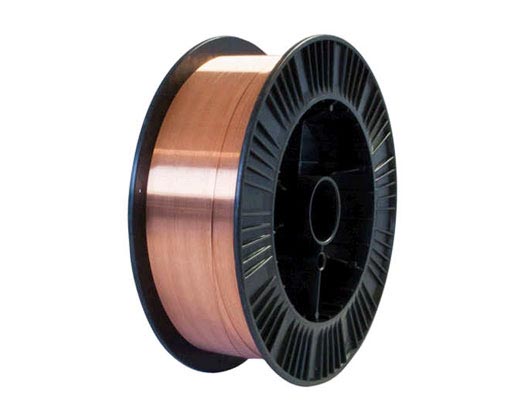
2. Copper Coated Mild Steel MIG Wire
Made for MIG (Metal Inert Gas) welding, this wire feeds smoothly and conducts very well. Its copper coating guards against rust and helps current transfer during welding.
Applications: General maintenance, light fabrication, automotive and construction.
Features:
- Even copper coating protects against corrosion
- Strong and ductile
- Little spatter and a consistent weld bead
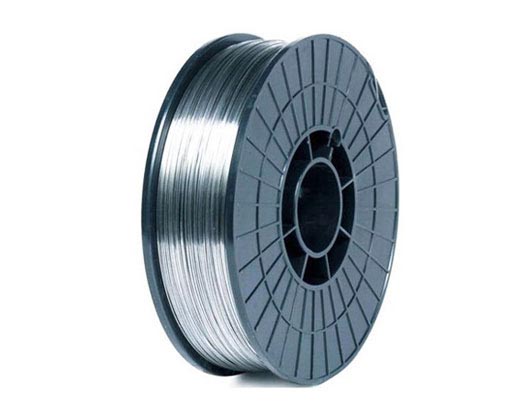
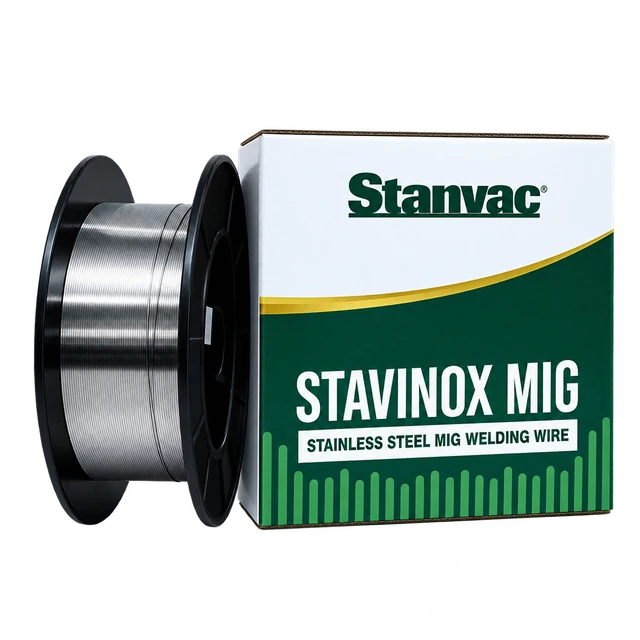
3. Stainless Steel Filler Wire
The stainless steel filler wire range covers grades including 308, 308L, 316 and 347, which serve many corrosion-resistant and high-temperature applications.
Applications: Chemical plants, pressure vessels, marine structures and food processing equipment.
Features:
- Outstanding resistance to corrosion
- Durable, with high tensile strength
- Well matched to sanitary and high-temperature service
4. Nickel Alloy and Cast Iron Wires
Specialised jobs calling for exceptional strength and heat resistance are what these wires are built for. They are often chosen to join dissimilar metals and to repair cast iron parts.
Applications: Aerospace, petrochemical and power generation industries.
Features:
- Very good thermal conductivity
- Deposits resist cracking
- Fit for high-stress service
Where Filler Wire Is Used
Many industries rely on filler wire where accuracy and dependability matter. Our wires are manufactured to perform consistently in every welding position and process.
- Automotive: Welding of bodywork, chassis and exhaust systems
- Construction: Structural frames, bridges and pipelines
- Shipbuilding: Building and repairing hulls, decks and bulkheads
- Oil & Gas: Pipelines & valves, pressure vessels and storage tanks
- Fabrication Shops: Assembling and repairing industrial equipment
- Aerospace: Joining high-performance materials in engine and structural parts
- Power & Energy: Turbine parts, boiler repair and upkeep
Choosing the Right Filler Wire
The wire you pick has a real effect on weld quality and performance. This short guide covers the points to check:
Match the Base Material:
Pick a filler wire whose chemical and mechanical properties are close to those of the base metal. As an example, stainless steel components call for stainless steel filler wire.
Consider the Welding Process:
- MIG Welding: Go for copper-coated mild steel or stainless steel MIG wires.
- TIG Welding: For precision work, select stainless steel or nickel alloy TIG filler wires.
- Flux Cored Welding: A good fit for outdoor or heavy fabrication jobs where shielding gas is hard to use.
Check Welding Position:
Certain wires work best in the flat position, whereas others are made for all-position welding. Flux-cored wires and low-carbon stainless steel wires give you greater flexibility.
Assess Environmental Conditions:
Where a project faces moisture, chemicals or saltwater, choose stainless steel filler wire or alloy steel welding filler wire for better corrosion resistance.
Evaluate Mechanical Requirements:
Weigh up tensile strength, ductility and temperature resistance before settling on a wire type.
Balance Cost and Performance:
Standard filler wires cover general-purpose work, while alloy and stainless variants last longer in critical applications.
Why Choose Stanvac for Welding Filler Wire?
Stanvac International supplies welding filler wire to customers worldwide and is recognised for quality, reliability and innovation.
- Comprehensive Range: Our solutions run from stainless steel to alloy steel filler wires and serve all of the major welding processes.
- Superior Quality Control: Chemical composition, strength and performance are tested thoroughly on each batch.
- Advanced Manufacturing: Modern production methods deliver wires that are precise, consistent and durable.
- Industry Expertise: Years of experience supplying sectors such as fabrication, construction, oil & gas and automotive.
- Customisation Options: Filler wires are available in a choice of diameters and grades to suit particular industrial requirements.
- Global Standards Compliance: Products conform to IS, ISO and AWS (American Welding Society) quality requirements.
With durability, weldability and efficiency as priorities, Stanvac makes sure each weld lasts.
Frequently Asked Questions
What is welding filler wire and what is it used for?
Which kinds of welding filler wire does Stanvac supply?
What is the best filler wire for welding stainless steel?
How should I choose filler wire for alloy steel welding?
Which wire sizes and grades can I get?
Which international standards do your filler wires meet?
How do you test the quality of welding filler wire?
Let’s find your welding solution.
Share your requirements. We’ll help you take the next step.