

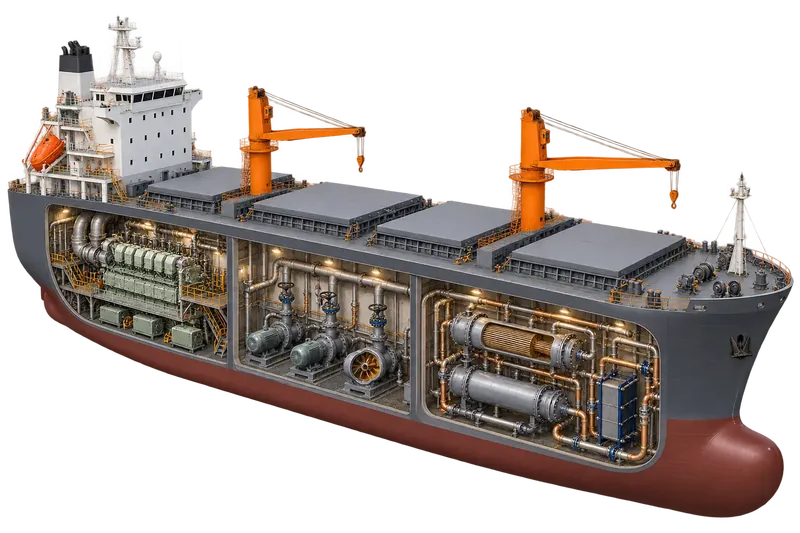
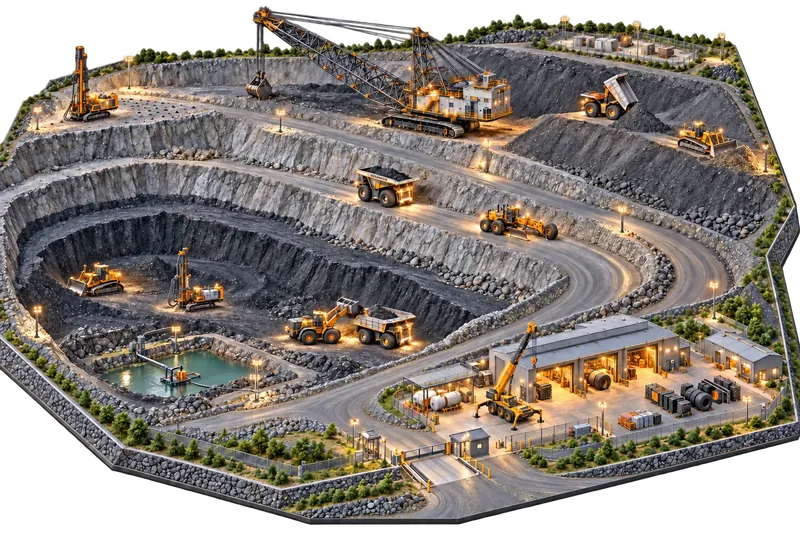
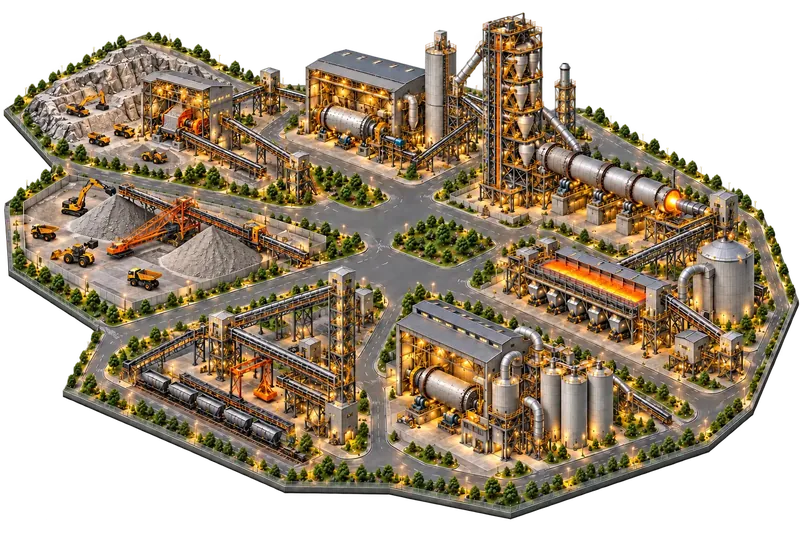
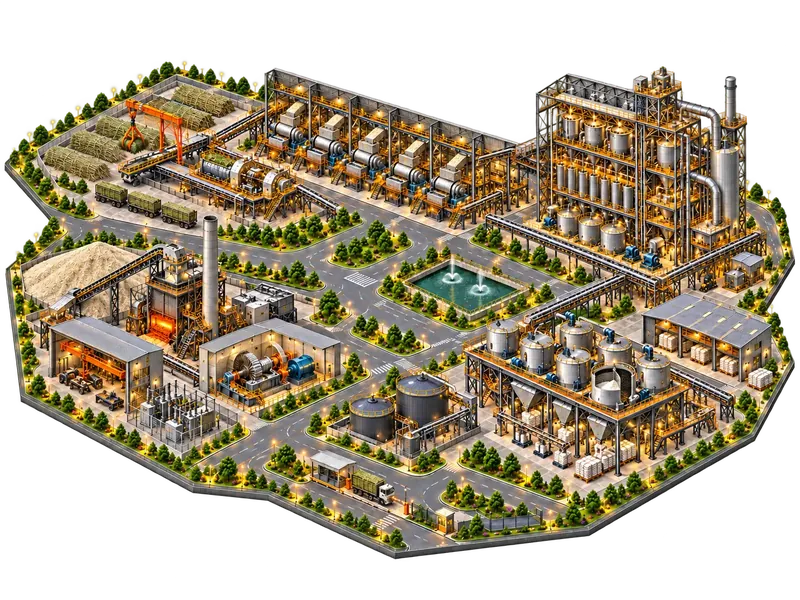

Hard surfacing protects machine parts that suffer heavy wear and impact. Hard-surface tubular electrodes help those parts last longer, limit downtime and keep equipment running without interruption. They deliver a steady metal buildup, are easy to weld with and offer strong wear resistance, which makes them well suited to harsh operating conditions.
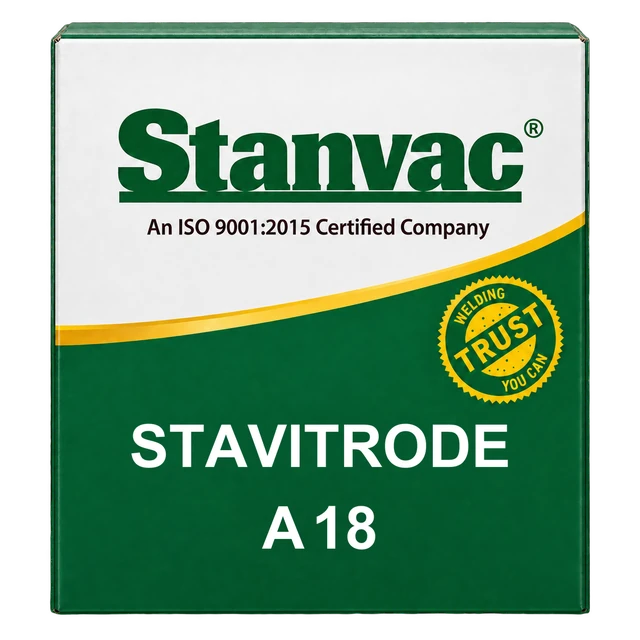
STAVITRODE A 18
View Details →
STAVITRODE A 46
View Details →
STAVITRODE A 49
View Details →
STAVITRODE A 57
View Details →
STAVITRODE A 58
View Details →
STAVITRODE A 62
View Details →
STAVITRODE A 71
View Details →
STAVITRODE A 72
View Details →
STAVITRODE A 74
View Details →
STAVITRODE A 75
View Details →
STAVITRODE A 79
View Details →
STAVITRODE A 80(S)
View Details →
STAVITRODE A 81
View Details →Stanvac International – Hard Surface Tubular Electrodes for Customers Worldwide
Stanvac International supplies advanced welding solutions, including high-quality tubular welding electrodes used throughout heavy industry. Built with modern manufacturing technology, strict ISO and AWS standards and a firm commitment to R&D, these electrodes give durability, strength and steady weld performance.
Key features include:
- High deposition rate
- Low dilution of base metal
- Non-hygroscopic coating for long shelf life
- Easy striking and re-striking
- Suitable with both AC and DC
- Excellent performance
Our Hard Facing Tubular Electrode Range
STAVITRODE A 81 (T)
- A richly enriched, metallurgically refined alloy of complex carbide, giving extremely high abrasion and wear resistance along with good impact resistance
- Complex carbide & Boron held in a tough, heavily alloyed matrix resist severe abrasion exceptionally well
- Keeps its wear resistance at temperatures as high as 700 °C.
- Excellent corrosion resistance
- > 70 HRC on mild steel in a single deposit
- Typical uses include Agitator fingers, valves, mixer paddles, screw presses, coke crusher, ploughshares, ash ploughs, coke crusher segments, screw conveyors, valves, exhaust fans, agitator fingers, mill guides, mixer paddles, rake teeth in furnaces, tong bits, slag ladles, elevator bucket tips, etc.
Typical hardness: 68 to 75 HRC
STAVITRODE A 82 (T)
- An iron base Chrome Carbide Electrode.
- Hard facing of grey iron, austenitic manganese steels and low carbon steels needs no buffer layers.
- Offers good abrasion and moderate impact resistance.
- A better deposit rate than a SMAW hard-facing electrode.
- Typical uses cover Coal crushing hammers, Plough shares, drag line bucket lips, Reclaimer buckets, Stacker buckets, Scraper blades, Crane knives, Conveyor chain, Rolling mill guides, etc.
Typical hardness: 55 to 60 HRC
STAVITRODE A 83 (T)
- An iron base, Micro alloyed Chrome Carbide Electrode.
- Retains good abrasion and moderate impact resistance at elevated temperatures.
- Resists erosion and corrosion well.
- Applied to dredge buckets, crusher rolls, ripper tyres, crusher hammer, muller pan tyres and pathways
Typical hardness: 58 to 64 HRC
STAVITRODE A 86 (T)
- An iron base matrix of Chromium Niobium Carbide that resists severe abrasion extremely well
- Modular-formed carbides give wear protection against both impact and abrasion
- > 60 HRC on stainless steel in a single deposit
- Hardness that stays uniform, with no chunking
- A good fit for rail ballast tampers, crusher hammers, dredger teeth, ripper teeth, grizzly bars, and steel guides.
Typical hardness: 60 to 66 HRC
STAVITRODE A 87 (T)
- Complex carbide & borides in a tough matrix resist severe abrasion exceptionally well
- Keeps its wear resistance at temperatures up to 500 °C
- > 65 HRC on mild steel in a single deposit
- Hardness that stays uniform, with no chunking
- Suitable for steelworks spike crusher rolls, grizzly bars, blast furnace bell chutes and other parts exposed to high temperatures and high abrasion
Typical hardness: 65 to 68 HRC
Every grade is formulated for firm bonding, controlled dilution and excellent weld metal properties.
Advantages of Stanvac Hard Surfacing Electrodes
Our tubular electrodes bring several performance gains that help industries lower maintenance cost and extend equipment life. They offer greater efficiency and metallurgical strength than many standard hardfacing rods.
- High deposition efficiency, so welding is faster
- Operation at low current, which lowers heat input and distortion
- A non-hygroscopic coating that gives long shelf life
- Strong abrasion resistance for harsh environments
- Smooth spray transfer that produces cleaner, more uniform overlays
- Easy to weld, even on large or complex components
- Better impact resistance, particularly on manganese steel
The electrodes give consistent, dependable results and prolong the life of parts exposed to friction, impact and extreme wear.
Where Hardface Tubular Electrodes Are Used
Hard surface electrodes are indispensable wherever components face severe wear, abrasion or impact. Our electrodes noticeably improve working efficiency and lengthen the service life of machinery.
- Mining industry: Crushers, liners, buckets, earthmoving tools
- Construction equipment: Excavator teeth, shovels, wear plates
- Railways: Frogs, points, rail repair surfaces
- Cement plants: Screw conveyors, grinders, hammers
- Steel plants: Material handling components
- Earthmoving machinery: Buckets, bucket edges, pads
- Agricultural equipment: Ploughs, blades, cutting edges
These uses illustrate the role Hard Surface Tubular Electrodes play in restoring worn parts and improving durability.
Selecting the Right Hard Surface Welding Rod for Your Project
A well-chosen electrode secures long-lasting protection and strong weld performance. The choice of hardfacing electrode depends on the type of wear and on the base metal.
1. Determine the Type of Wear
- Abrasive wear: Go for chromium carbide-based electrodes such as STAVITRODE A 82 (T)
- Impact wear: Go for electrodes compatible with manganese steel, such as STAVITRODE A 83 (T)
- Mixed wear: Pick a versatile electrode that combines properties
2. Fit the Electrode to the Base Metal
Confirm that the electrode suits the steel in question, whether manganese steel, mild steel or alloy steel. Doing so gives a firm bond and crack-free performance.
3. Welding Position and Current
Our electrodes run on both AC and DC and weld easily in several positions.
4. Working Environment
Where temperatures are high or loads are heavy, pick electrodes with strong metallurgical properties and high hardness.
5. Required Deposition
Base the choice on how much buildup is needed, whether a thin overlay or a heavy layer.
Stanvac provides expert guidance to help users select the best electrode for their industrial needs.
Frequently Asked Questions
What are Hard Surface Tubular Electrodes and how do they work?
How do tubular electrodes differ from solid welding electrodes?
How should I choose an electrode for abrasive or impact wear?
What are the benefits of using Stanvac hard-facing electrodes?
Which industries commonly use hard surface electrodes?
By how much does hardfacing typically extend service life?
Let’s find your welding solution.
Share your requirements. We’ll help you take the next step.