
Industries · Oil & Petrochemical

Welding solutions for refineries, rigs and process plant

Oil and petrochemical work runs hot, wet and abrasive at the same time: reformer tubes creep at temperature, process streams eat valve seats and apparatus, and drilling tooling meets rock from the first metre. Pick an area of the refinery to see which components wear, how they fail, and the STANVAC range that puts them back in service.

6
Components mapped
3
Refinery areas
500+
Authorised distributors
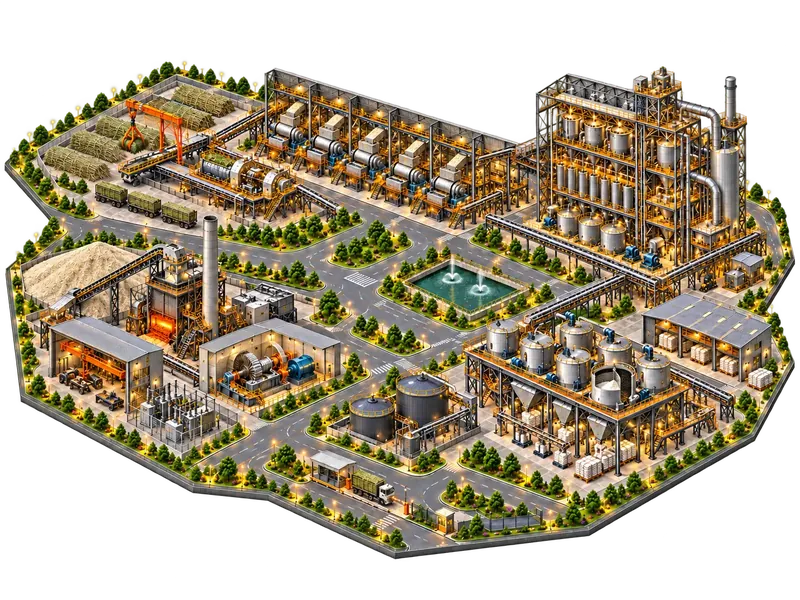
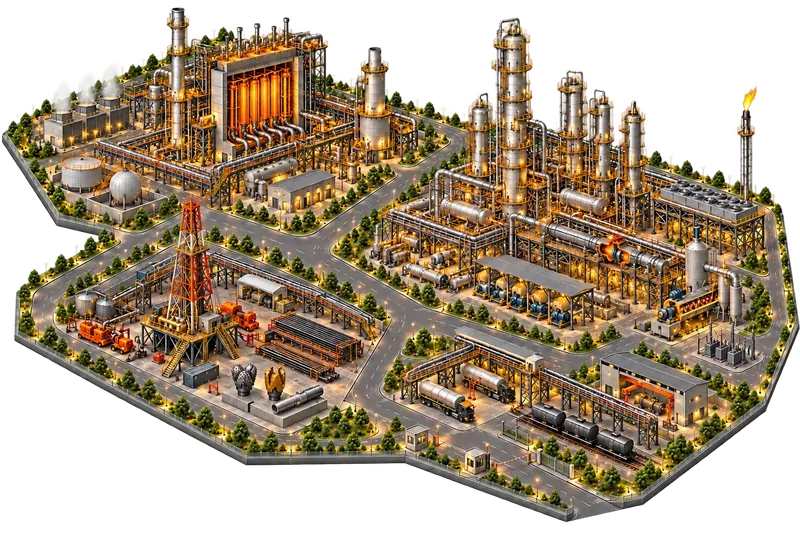
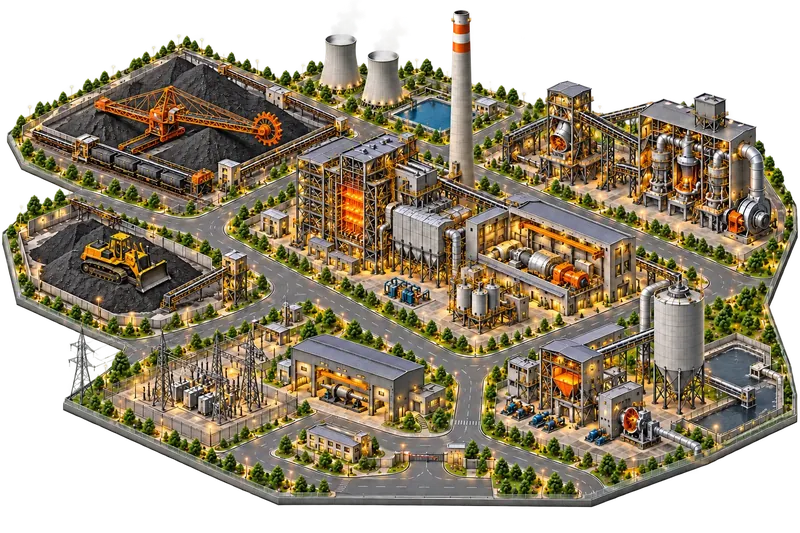
Isometric view of a refinery complex — a fired heater with glowing radiant tubes and its stacks, cooling towers, a storage tank and a gas sphere at the back; a drilling derrick with mud pumps, a pipe rack and boring bits on display at the front; a block of distillation columns with heat exchangers, air coolers and a lit flare stack to the right; and a tanker and rail wagon loading gantry below it.
Refinery complex and rig 6 components mapped Click a numbered pin on the site
Refinery area

All refinery areas

Every mapped component across the refinery and the rig.

Component Base metal Wear factor Refinery area Recommended solution
Reformer Tubes HK 30/HK 40 Corrosion Furnace & Reformer STAVITRODE A 22 (opens in a new tab) Repair - Joining Electrode
Furnace Components Nickel Alloys Heat/Corrosion Furnace & Reformer STAVITRODE A 29 (opens in a new tab) Repair - Joining Electrode
Boring Bits Steel Abrasion Drilling STAVITRODE A 74 (opens in a new tab) Hard Surface Electrodes
Valve Seat Stainless Steel Heat/Impact Process & Piping Nickel & Inconel grades (opens in a new tab)
Conveyor Screws Alloy Steel Heat/Abrasion/Corrosion Process & Piping Cladding & die build-up (opens in a new tab)
Chemical Apparatus Nickel Corrosion/Heat Process & Piping Nickel & Inconel grades (opens in a new tab)
Showing 6 of 6 components Confirm the grade with our application engineers before welding
How oil and petrochemical components fail
  1. Heat & creep

    Reformer tubes and furnace internals held at temperature until the wall sags and thins.

  2. Carburisation

    Hydrocarbon streams carrying carbon into hot tube and furnace metal until it turns brittle.

  3. Corrosion

    Sour, salt and chemical streams attacking valve seats, screws and process apparatus.

  4. Abrasion

    Rock cutting boring bits and drilling tooling away from size on every metre drilled.

Send us the component.
We’ll send the procedure.

Base metal, service temperature and the stream it runs in — an application engineer comes back with the consumable, the parameters and the expected life gain.

Contact Stanvac

Quick enquiry

Tell us what you need. Our team will be in touch.

By submitting, you agree to be contacted about your enquiry. Privacy Policy.