



Cast iron is strong but brittle because of its high carbon content, which makes it a demanding material to weld. Filler wire that does not suit it often results in cracks, porosity and uneven welds, so a good-quality cast iron welding wire is the key to strong, dependable repairs. The sections below explain the details.
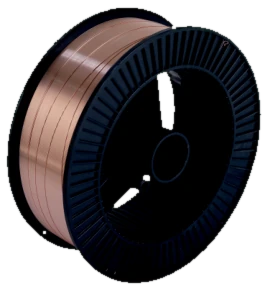
Cast Iron Welding Wire and Nickel Alloy Filler Wires for Dependable, Durable Repairs
A cast iron welding wire is made to repair and join cast iron parts without cracking or distortion. Industry uses it to restore machine components, pumps, engine blocks, valves and other heavy-duty parts. Because cast iron responds quickly to heat, the filler metal has to be flexible, strong and resistant to cracking. Stanvac International manufactures cast iron and nickel alloy filler wires that give durable, stable and clean welds for industrial repair and maintenance. The wires perform consistently in demanding conditions and can be used in the workshop as well as in the field.
Defining Cast Iron and Nickel Alloy Welding Wire
Cast iron welding wire is a filler metal for joining the different grades of cast iron, among them grey cast iron, malleable iron and ductile iron. Cast iron cools fast and turns brittle readily, so the wire must be formulated to keep stress low during welding.
Nickel alloy welding wires combine nickel with iron or copper to give deposits that are both strong and ductile. They make up for the brittleness of cast iron and help prevent cracks. They also withstand corrosion, heat and vibration, which makes them a sound choice for cast iron repairs in many industries.
Arc, MIG and TIG welding all make wide use of cast iron welding wires. Nickel-based wires machine very well, so the finished weld can be ground, drilled or dressed smoothly after the repair.
The Case for Nickel Alloy Wire in Cast Iron Repair
Welders favour nickel alloy filler wires because they lower the risk of stress cracks and give better control over the weld. These are the reasons they suit cast iron:
- They cope with the difference in thermal expansion between cast iron and the weld metal.
- They deposit soft, machinable beads that finish smoothly.
- They limit the cracking caused by fast cooling.
- They add corrosion and heat resistance in service.
- They permit repairs on aged, contaminated or oil-soaked cast iron surfaces.
For an engine block or for cracks in industrial machinery alike, nickel alloy wires give excellent results and lasting reliability.
Cast Iron Welding Wires We Supply
Stanvac International manufactures a full range of cast iron and nickel alloy welding wires for different welding processes and applications. The most commonly used grades are described below.
ER Ni-1
A mainly nickel wire that is suitable for welding grey cast iron.
Advantages:
- Very good machinability
- Low tendency to crack
- Well suited to precision repairs on machine parts and cast iron housings
ER NiCu-7
This nickel-copper alloy wire performs well on cast-iron parts that face vibration, corrosion and pressure.
Advantages:
- High strength and ductility
- Good impact performance
- Suited to pump casings, valves and marine components
ER NiCr-3
A nickel chromium wire for welding cast iron to alloy steel or stainless steel.
Advantages:
- Strong joints between dissimilar materials
- High resistance to heat and corrosion
- A good match for high-temperature machinery and furnace components
Special Flux Cored Nickel Alloy Wires
For outdoor or field welding, where wind can disturb shielding gas.
Advantages:
- Stable arc
- Integral shielding
- A good match for structural repairs and outdoor conditions
These wires come in several diameters to fit different welding processes, loading requirements and industrial needs.
Advantages of Cast Iron Welding Wire
A high-quality cast iron welding wire performs dependably and cuts down on failed repairs.
The main advantages are:
- Excellent resistance to cracking while welding
- A smooth, stable arc
- Less porosity in the weld deposit
- High strength and ductility
- Strong bonding on aged or contaminated cast iron
- Good heat resistance for parts that run at high temperatures
- Suitable for MIG, TIG and MMA welding
- Improved corrosion resistance for a longer service life
Together, these give clean, stable and long-lasting repairs, particularly in mechanical and industrial settings.
Where Cast Iron Welding Wire Is Used
Cast iron is used across many industries because of its strength and durability. When it needs repair, cast iron welding wires restore the part to working order.
Typical applications are:
- Engine blocks and cylinder heads in automotive and heavy vehicle repair
- Machine bases and housings in workshops and manufacturing plants
- Pumps and compressors in oil and gas, petrochemical and water treatment service
- Gearbox components in heavy machinery
- Cast iron pipes and fittings in plumbing and industrial installations
- Furnace and boiler parts that run at high temperatures
- Agricultural equipment that needs strong, crack-resistant welds
Cast iron is brittle, so the correct filler wire makes repairs safe and keeps downtime low for businesses.
What Sets Stanvac International Apart for Nickel Alloy and Cast Iron Welding Wire
Stanvac International produces welding consumables that professionals can depend on, and supplies customers worldwide. Strict quality standards ensure that every wire performs strongly under industrial conditions.
These are the reasons welders choose us:
- Chemical and mechanical quality that stays consistent across every wire grade
- High-purity raw materials for a stable arc
- A broad selection of nickel alloy and cast iron wires for varied applications
- Several diameters and packaging sizes to choose from
- ISO certified facilities with rigorous testing procedures
- Dependable bulk supply for large manufacturing units and workshops
- Technical support in choosing the right grade for each job
- Customer trust earned over years of service
When you need a dependable source of cast iron and nickel alloy welding wires, our products meet industrial standards and are built for long-lasting performance.
Frequently Asked Questions
Which cast iron welding wires can I choose from?
Is nickel alloy filler wire suitable for every kind of cast iron?
Is nickel alloy wire usable for MIG welding?
How can cracking be avoided when welding cast iron?
Which shielding gas should I use for MIG welding cast iron?
How do I choose a wire diameter for cast iron welding?
Can one wire weld both ductile and grey cast iron?
How do Stanvac cast iron wires differ from others?
Let’s find your welding solution.
Share your requirements. We’ll help you take the next step.