
Our cast iron electrodes are made for repairing and joining cast iron parts where strength, resistance to cracking and metallurgical compatibility all matter. These cast iron welding rods give smooth, dependable and long-lasting welds in a wide variety of industrial repair and fabrication work.
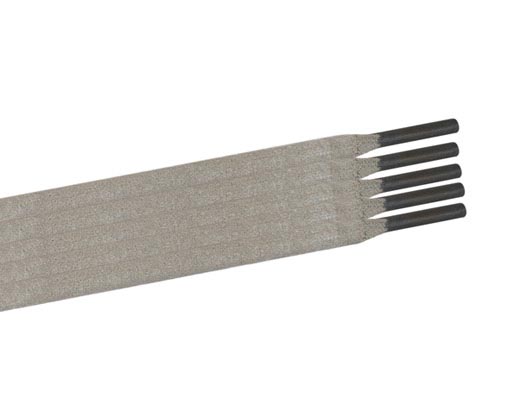
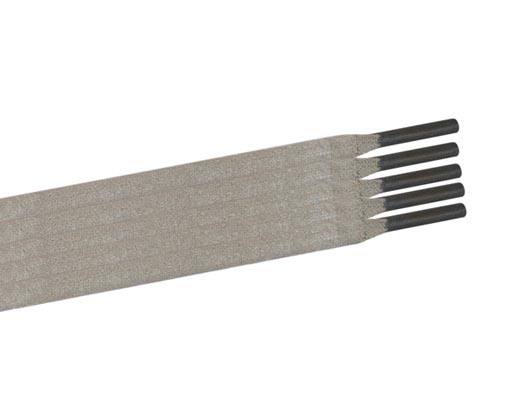
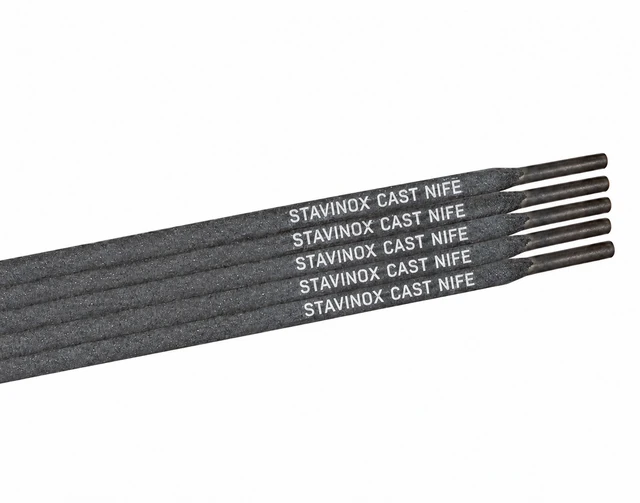
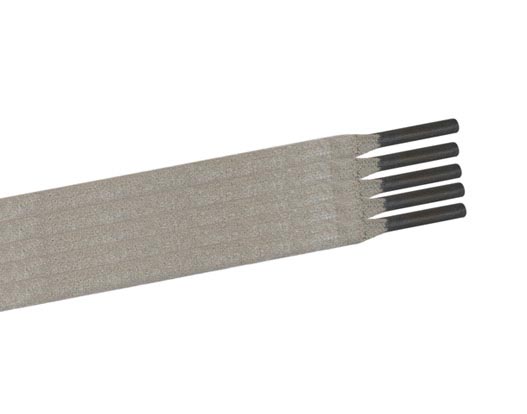
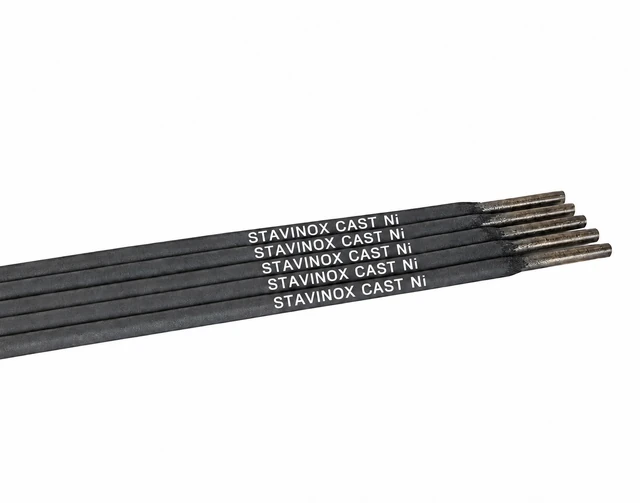
What Is A Cast Iron Welding Electrode?
People have relied on cast iron for centuries, using it for engine blocks, machine components, ornamental ironwork and structural parts. It is also brittle, so when a casting cracks or breaks, replacement often looks like the only answer.
IT DOESN'T HAVE TO BE. With the correct welding electrode, cast iron can be repaired safely and for good. A cast iron welding electrode produces a sound, durable repair that keeps damaged equipment working for many more years.
As a manufacturer of cast iron electrodes, Stanvac International supplies customers worldwide with solutions for engine block repair, machinery restoration and decorative ironwork. Our cast iron welding electrodes are built around the particular difficulties of welding cast iron.
Why Cast Iron Repair Matters:
- Repairing an engine block can save $500-2000 compared with buying a replacement
- Restoring machinery can add decades to its working life
- Repairing decorative ironwork keeps its historic value intact
- Downtime is shorter than when a replacement has to be sourced
- Less waste and less new manufacturing is good for the environment
The Challenge of Cast Iron:
Cast iron holds 2.5-4% carbon, far more than steel does. That carbon makes the metal brittle and liable to crack. Ordinary welding rods deposit hard, brittle weld metal on cast iron, and the weld tends to crack straight away.
The Solution – Cast Iron Welding Electrode:
Purpose-made electrodes lay down softer, more ductile weld metal that is better matched to the properties of cast iron. The outcome is a safe repair that lasts and does the job.
Why Cast Iron Repair Needs Special Welding Electrodes
Knowing why cast iron is handled differently makes it easier to see the value of a good electrode:
The Brittleness Problem
Cast iron is brittle by nature and snaps cleanly, much like glass, whereas steel bends and deforms. Because of this, cast iron cannot absorb the stresses produced by conventional welding practice.
The Carbon Challenge
During welding the high carbon content (2.5-4%) tries to escape from the metal. The result is a hardened heat-affected zone, the band between the weld and the parent metal. That hard band is a weak spot, and it is where cracks usually begin.
The Thermal Stress Issue
Fast heating followed by fast cooling pushes cast iron past its limits. Conventional procedures put heat in quickly, and as the part cools just as quickly, stresses accumulate until they exceed the strength of the material. CRACK.
Why Standard Electrodes Fail
Ordinary steel electrodes lay down hard weld metal. On cast iron that weld cannot move with the parent material and behaves like a brittle block of glass, shattering as soon as load is applied.
The Nickel Solution
Nickel-based electrodes deposit soft, ductile weld metal that flexes along with the base material. It takes up stress rather than cracking, which gives a safe repair with a long life.
Proper Technique + Proper Electrode = Success
The rod is only part of the story, and technique counts for a great deal:
- Preheat slowly to 200-400°C
- Weld slowly, keeping heat input to a minimum
- Cool slowly (NO QUENCHING)
- Several small passes work better than a single large one
Combine the right electrode with correct technique and cast iron repairs perform very well.
Types Of Cast Iron Welding Electrodes
Our cast iron welding rod range covers a broad set of repair and fabrication needs. Each type addresses a specific concern such as machinability, resistance to cracking or sensitivity to heat. Here is an overview of what we supply:
Nickel-Based Cast Iron Electrodes (Premium)
For critical cast iron repairs, nickel-based electrodes set the benchmark. They cost more, but the results are better.
Why Nickel-Based Cast Iron Rods Work:
• Produces ductile, flexible welds
- Takes up stress instead of cracking
- Lowers hardness in the heat-affected zone
- Suits multi-pass work best
- Well suited to heavily worn surfaces
Nickel-Based Cast Iron Rod Types:
- ENi-C (pure nickel) – the highest ductility and best quality
- ENiCu-7 (nickel-copper) – a good compromise between strength and flexibility
- ENi-Fe-Ci (nickel-iron-copper) – tuned for a range of cast irons
When to Use Nickel-Based Cast Iron Rods:
- Engine block repairs
- Repairs on critical machinery
- Complex jobs that need several passes
- Highly stressed components
- Any job where failure is not acceptable
Cost vs. Performance of Nickel-Based Cast Iron Welding Rod:
These rods cost 2-3x as much as standard electrodes, but they bring dependable results. On costly equipment or critical repairs, that reliability repays the extra outlay.
Cast Iron Specific Electrodes (Standard)
Cast iron specific electrodes are designed for cast iron without the expense of pure nickel. They handle most repairs and moderately stressed applications well.
Specific Cast Iron Rod Characteristics:
- Contain nickel, though not pure nickel
- Offer good ductility and flexibility
- Fit general cast iron repair work
- Cost less than pure nickel
- Perform well on gray cast iron
Cast Iron Rod Applications:
- Repairs to machine beds
- Valve body restoration
- Cracked castings
- Rebuilding worn surfaces
- Components under moderate stress
Cast Iron Rod Performance Balance:
Standard cast iron electrodes strike a balance between price and performance. They stop short of pure nickel quality but are much better than ordinary steel rods, and for most jobs they are the sensible pick.
Cast Iron Rods Application & Repair
Our cast iron welding electrodes are relied upon for demanding repairs such as these:
Automotive Applications
- Engine block repair – cracks, porosity and wear damage
- Cylinder head restoration – damaged valve seats and cracks
- Transmission case repair – broken mounting points
- Brake system components – safety-critical repairs; Industrial Machinery
- Machine bed restoration – repair of precision equipment
- Pump housing repair – erosion and cavitation damage
- Gear housing fixes – broken teeth and structural cracks
- Valve body restoration – leakage and wear damage
Decorative & Heritage
- Ornamental iron restoration – historic gates and railings
- Building cladding repair – facade restoration
- Sculptural works – artistic cast iron pieces
- Heritage conservation – preserving historic ironwork
Heavy Equipment
- Excavator bucket repair – wear and impact damage
- Truck frame welding – structural cracks
- Construction equipment – repair and restoration of implements
- Agricultural machinery – equipment restoration
No two applications are alike, and each calls for the right technique. Our cast iron welding electrodes are engineered to deliver across all of these demanding uses.
How To Successfully Weld Cast Iron – Critical Techniques
Good results on cast iron depend on correct technique.
Poor technique will defeat even the best electrode.
Step 1: Preheat Slowly (ESSENTIAL)
- Bring the component to 200-400°C, depending on its size
- Use a furnace or a heating torch
- Raise the temperature SLOWLY, since thermal shock causes cracking
- Hold that temperature throughout welding
Step 2: Clean Thoroughly
- Take off rust, paint, oil and dirt
- Wire brush the area to be repaired
- Use chemical cleaning where oxidation is heavy
- Any contamination will spoil the weld
Step 3: Choose the Right Electrode
- Critical repairs: pure nickel (ENi-C)
- Standard repairs: a cast iron specific electrode
- Inspect the coating for moisture damage
- Work with fresh electrodes rather than old stock
Step 4: Technique is Crucial
- Set the lowest heat that will do the job
- Keep the arc short, only 2-3mm
- Travel slowly and do not hurry
- Lay several small passes rather than one large pass
- Let the part cool between passes
Step 5: Control the Heat Carefully
- Do not let the base metal overheat
- Check temperature with a temperature stick
- Hold the preheat temperature while welding
- Avoid heating rapidly to high temperatures
Step 6: Cool Slowly (CRITICAL)
- Allow the component to cool naturally
- NEVER quench in water, as it cracks instantly
- Furnace cooling is the best option
- Air cooling is acceptable for small repairs
- Slow cooling relieves thermal stress and cannot be skipped
Step 7: Stress Relief (Optional but Recommended)
- Certain repairs gain from heat treatment
- Low-temperature stress relief at 500°C
- Removes residual stress
- Particularly important for critical components
Done properly, the result is a safe, lasting repair that works. Done badly, it fails, so get it right.
Cast Iron Welding Electrodes Supplied by Stanvac International
Stanvac International supplies quality cast iron welding electrodes and cast iron welding rods built to cope with the high carbon content, brittleness and heat sensitivity of cast iron. They give crack-free, long-lasting welds that preserve the integrity of the base metal. Selecting the right cast iron welding rod from our range means stronger, more stable joints and fewer problems such as porosity, carbon migration or metallurgical mismatch.
Choosing the Right Cast Iron Electrode for Your Project
The choice of cast iron welding rod or electrode has a large effect on weld quality and service life. Points to weigh include:
- Machinability – will the weld have to be machined afterwards?
- Type of cast iron – grey, ductile or malleable iron can influence which electrode to use.
- Crack sensitivity – how likely is the part to crack under heat?
- Preheat requirements – some jobs need preheating to avoid thermal shock.
- Desired strength and ductility – think about what the welded joint must deliver.
- Application environment – will the weld be exposed to heat, corrosion or vibration?
- Dissimilar metals – is cast iron being joined to steel or stainless steel?
For general repairs, machinable ferro-nickel (NiFe) electrodes are a good fit. Where high precision or premium joint quality is needed, our pure nickel electrodes perform excellently. If abrasion resistance is the priority, the non-machinable NM type is the ideal option.
Welding Techniques and Best Practices for Cast Iron Electrodes
Results with cast iron welding rods and cast iron electrodes depend on technique as well as on the product. These established practices help produce strong, crack-free welds:
- Preheat the part where needed to cut down thermal shock.
- Weld in short beads to manage heat input and prevent distortion.
- Let the part cool slowly so it does not crack.
- Use skip welding on large areas to limit heat build-up.
- Hold a steady arc length for consistent weld quality.
- Peen each bead lightly to relieve stress and improve durability.
- Store electrodes properly and keep them dry so they do not absorb moisture.
Follow these methods and your cast iron welding electrodes will produce stable, defect-free welds that last longer and perform dependably in tough service.
Why Choose Stanvac International For Cast Iron Electrodes
- Specialization – focused expertise in cast iron welding repair
- Nickel-Based Range – pure nickel and cast iron specific options are available
- Quality Assurance – each batch is tested for composition and ductility
- Technical Support – expert advice on choosing electrodes and on technique
- Proven Track Record – trusted by contractors and manufacturers worldwide
- Competitive Pricing – buying direct from the manufacturer offers better value than going through distributors
- Fast Delivery – stock on hand allows quick supply
- Certifications – compliance with AWS, ISO and IS standards
- On-Site Consultation – we can visit for complex repair projects
- Personalized Solutions – electrode recommendations tailored to your application
Quality Standards & Certifications
All our cast iron welding electrodes meet demanding standards:
- AWS A5.15 – American Welding Society specification for cast iron electrodes
- ISO 1071 – international standard for cast iron welding
- EN 14373 – European standard for cast iron consumables
- IS 4316 – standard for cast iron electrodes
- Third-party laboratory testing for nickel content
- Ductility testing to ensure crack-free performance
- Composition analysis to confirm the correct alloy
- Protective packaging with desiccant storage
Choose Stanvac International and you receive certified quality you can depend on.
Frequently Asked Questions
What is a Cast Iron Electrode, and why is it needed?
How do Cast Iron Welding Rods differ from steel welding rods?
Can Cast Iron Electrodes be used without preheating?
What types of Cast Iron Electrodes are available?
How do I select the right Cast Iron Welding Electrode for my application?
Are Cast Iron Electrodes suitable for repair welding?
What welding techniques improve the durability of Cast Iron Welds?
Is the machinability of weld metal important?
What is the best cast iron welding electrode?
Do I need to preheat cast iron before welding?
Can I cool cast iron repairs quickly in water?
How many passes can I make on cast iron?
What is the difference between ENi-C and cast iron specific electrode?
Can I weld ductile cast iron?
How long does a cast iron repair last?
Does Stanvac International provide support for cast iron repairs?
Let’s find your welding solution.
Share your requirements. We’ll help you take the next step.