








WELDING MARKER
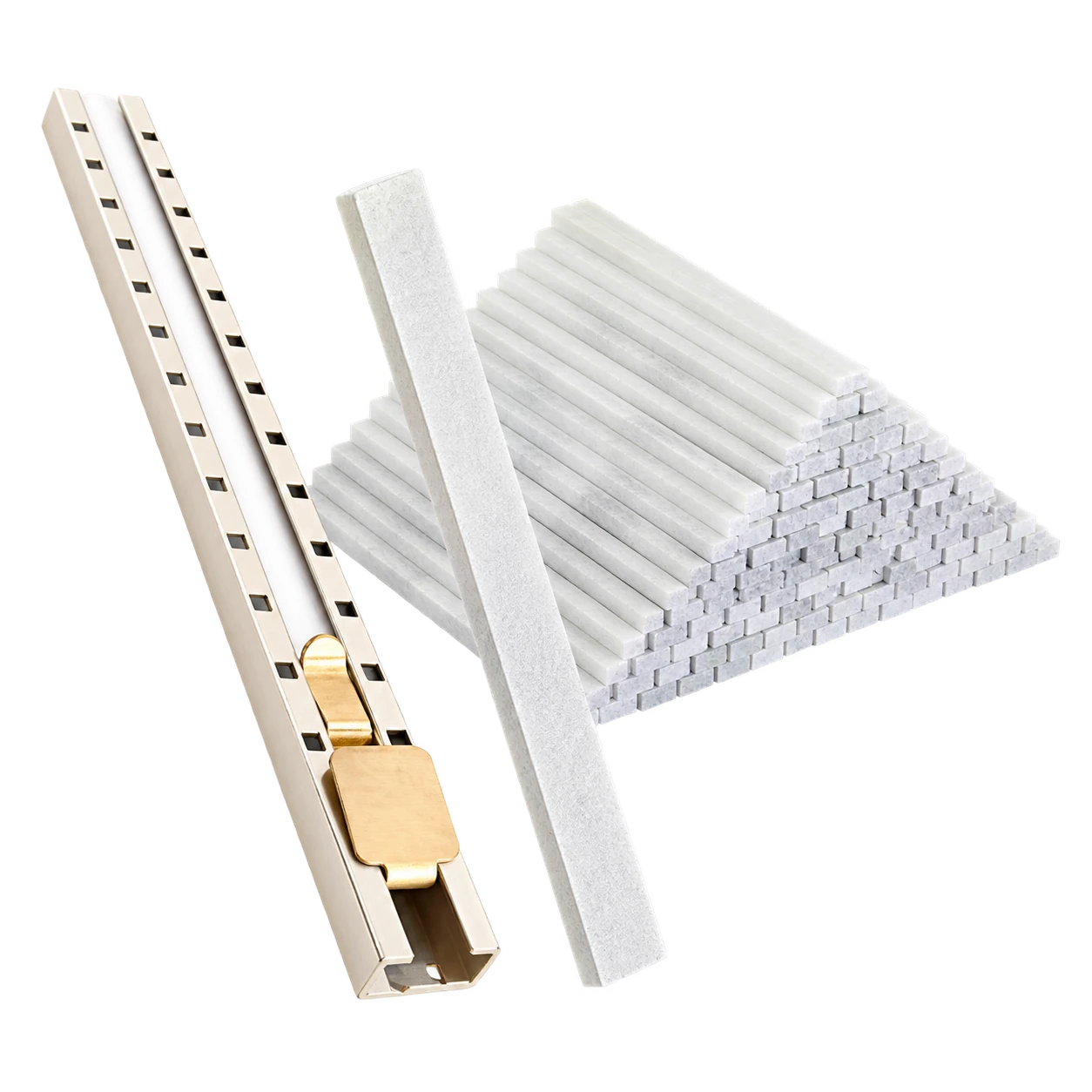
Stanvac International WELDING MARKERS are soapstone markers for laying out cut lines, weld positions and fit-up marks on steel. Soapstone marks stay legible on hot, oily and mill-scaled surfaces where a pencil or pen will not write, and the mark does not burn off ahead of the torch. Flat and round refills are available, along with a holder.
Product details
Key Features and Benefits of Welding Marker
- Marks Hot and Oily Steel: Soapstone writes where pencils and markers fail, including on hot plate.
- Flat and Round Refills: Flat 127.5mm x 12.5mm x 4.8mm sticks and round 123mm x 6.4mm sticks.
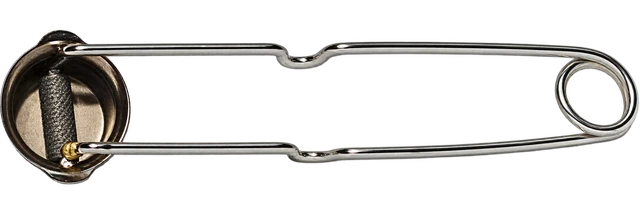
- Refillable Holder: A metal holder grips the refill and keeps the marking point exposed.
- Heat Resistant Mark: The line stays visible as the cut or weld approaches it.
- Wipes Off Cleanly: Marks brush off after the job without staining the surface.
Specifications of Welding Marker
The table below lists the models available in the Welding Marker range.
| Marker Type | Length (mm) | Width/Dia (mm) | Height (mm) |
|---|---|---|---|
| Flat | 127.5 | 12.5 | 4.8 |
| Round | 123 | 6.4 | - |
Applications of Welding Marker
- Fabrication and welding workshops
- Construction and site erection work
- Plant maintenance and repair operations
- Training centres and tool rooms
Frequently Asked Questions
What is a welding marker, and why not use an ordinary marker pen?
A welding marker makes marks that survive heat, cutting and grinding, on surfaces — oily, rusty, hot, wet — where an ordinary marker will not write at all. Layout marks made with a standard pen disappear the moment the torch gets near them, which is the point at which the mark was needed.
What is the difference between soapstone and a paint marker?
Soapstone is a soft talc stick that marks on hot and oily steel, withstands very high temperature, and wipes off afterwards — it is the traditional choice for cutting and layout lines. A paint marker leaves a permanent, high-visibility mark that survives handling and outdoor exposure, which suits identification, heat numbers and traceability marking rather than cut lines.
Why must markers used on stainless steel be low-halogen or halogen-free?
Because chlorides and other halides left on a stainless surface cause stress corrosion cracking and pitting, particularly at elevated temperature. A standard marker's residue is a genuine failure mechanism on stainless and nickel alloys, not a cosmetic issue. Pressure vessel, chemical plant and nuclear specifications routinely mandate certified low-halogen markers, and the certificate is an inspection item.
Will a welding marker survive the welding heat itself?
Marks directly in the heat-affected zone will not survive, and are not meant to — they are consumed by the process they were guiding. What a welding marker gives is a mark that survives handling, preheat, grinding and the approach of the torch, so it is still readable when the welder needs it.
Do welding markers work on galvanised, painted or rusty surfaces?
Paint markers generally do, which is one of their advantages over soapstone. Marking quality still improves with a wipe of the surface first — loose rust and dust prevent any marker keying properly.
How should welding markers be stored?
Cap them, store them away from heat, and store paint markers tip-down so the pigment stays at the nib. A marker that has dried at the tip usually recovers with shaking and priming, but repeated drying shortens its life considerably.
Let’s find your welding solution.
Share your requirements. We’ll help you take the next step.